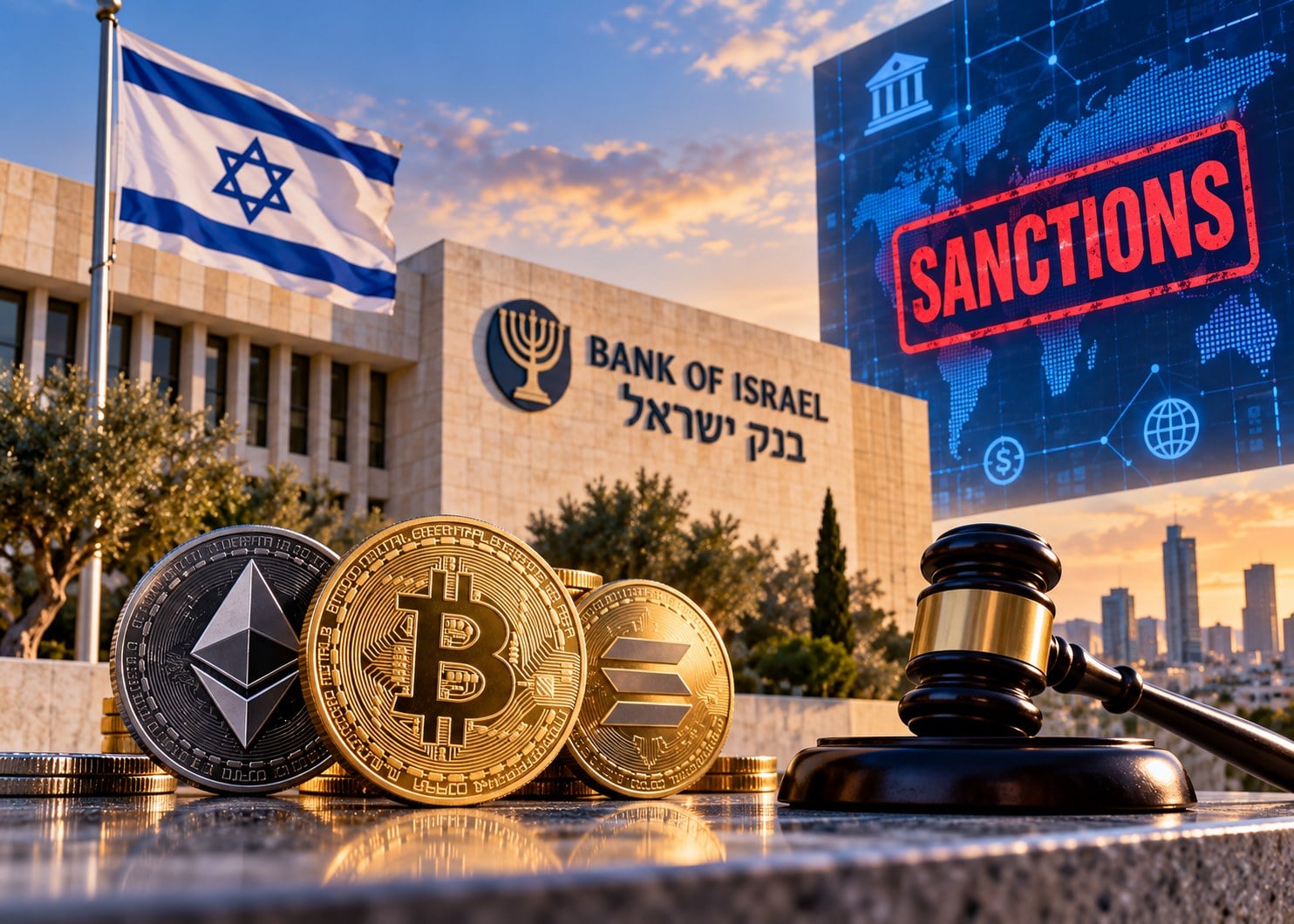
The Bank of Israel has publicly rejected Prime Minister Benjamin Netanyahu’s suggestion that cryptocurrency and blockchain technology could help Israel operate around potential international financial sanctions.
Netanyahu said Israel should prepare alternative financial arrangements in case banking sanctions are imposed and confirmed that he had requested development of a plan involving blockchain technology.
The central bank responded that cryptocurrencies cannot provide a route for bypassing sanctions.
Instead, it said Israel’s economic priority should be preserving relationships with its principal trading partners and preventing sanctions and their economic consequences.
A group of 109 economists, business leaders and former senior public officials, including former Bank of Israel Governor Jacob Frenkel, subsequently warned about the potential economic consequences of broad international financial restrictions.
The issue matters because blockchain technology does not remove an economy’s dependence on foreign counterparties.
International commerce still requires companies, customers, banks, payment providers and trading partners willing and legally permitted to transact with one another. Cryptocurrency networks can create alternative payment channels, but they cannot compel foreign institutions or companies to continue doing business with sanctioned entities.
That makes the underlying sanctions risk more economically significant than the technology proposed to address it.
Israel has a highly internationalized technology sector and depends heavily on access to global capital, foreign customers and international financial infrastructure.
Restrictions affecting conventional banking relationships could therefore influence investment flows, corporate financing and cross-border commerce.
Netanyahu’s proposal remains an idea rather than an implemented financial system. No operational blockchain network or detailed government program capable of replacing conventional international banking relationships has been announced.
The next developments to watch are whether the government releases a formal plan, whether international sanctions broaden and how Israeli financial markets assess the risk of increasing economic isolation.