British Columbia’s Conservative Party won the provincial election Sunday, according to provisional results, ending nine years of New Democratic Party government and potentially changing the direction of energy development on Canada’s Pacific coast.
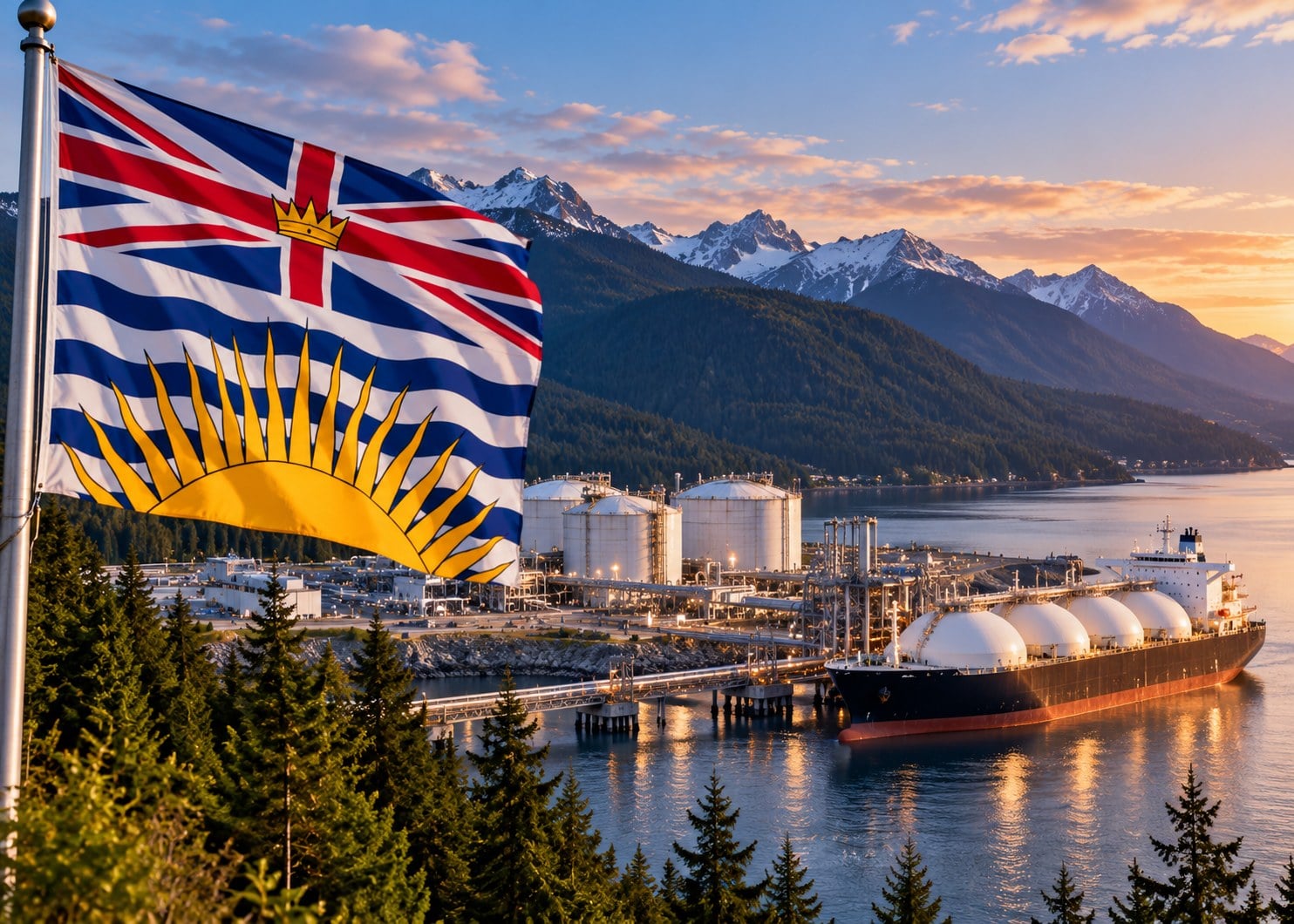
The Conservatives won a provincial election for the first time in nearly a century after campaigning on greater development of liquefied natural gas and other natural resources.
The outgoing New Democrats had opposed new oil pipelines and supported restrictions on tanker traffic along British Columbia’s northern coast.
The shift matters because British Columbia occupies a strategically important position in Canada’s attempt to expand energy exports toward Asian markets.
LNG projects on the Pacific coast can give Canadian natural-gas producers direct access to Asian buyers without routing exports through the United States. Greater export capacity could consequently influence western Canadian gas pricing, pipeline utilization and upstream investment.
The election result does not itself authorize new LNG terminals or pipelines. Individual projects would still face regulatory, environmental, Indigenous-consultation, financing and construction requirements.
But provincial policy can materially influence permitting, infrastructure development and the investment environment surrounding those projects.
The result also arrives as Canada considers broader efforts to expand Pacific energy infrastructure.
Energy investors will now watch the incoming government’s first policy actions, particularly permitting changes, LNG development and its position on new pipeline and tanker infrastructure.