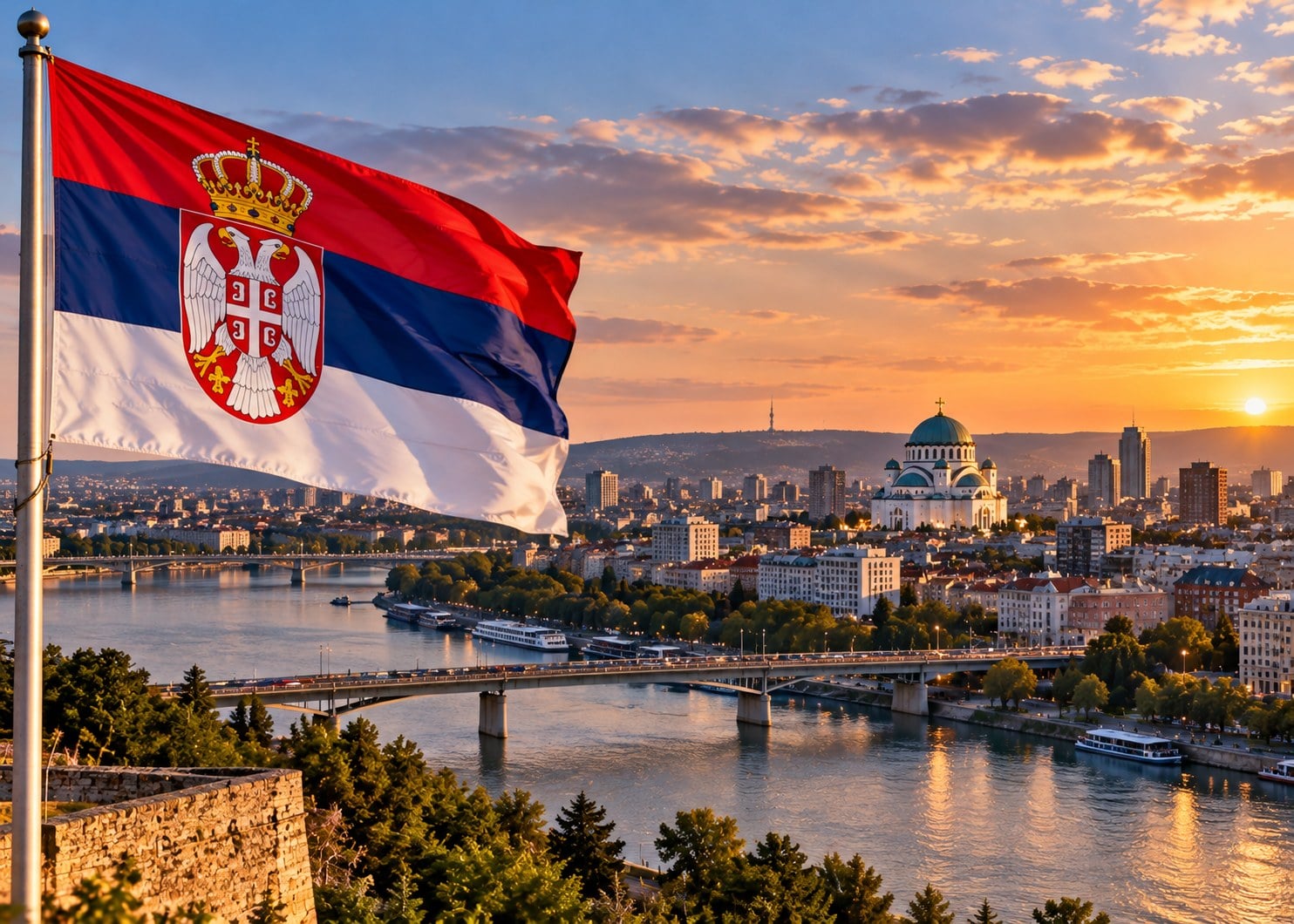
Serbian President Aleksandar Vucic conceded defeat Sunday to a student-led opposition movement, ending more than a decade of political dominance and opening a period of significant policy uncertainty in one of southeastern Europe’s larger emerging economies.
Vucic has dominated Serbian politics as either prime minister or president since 2014. The election outcome represents a major political shift rather than a routine change of government.
For investors, the economic significance will depend on how the incoming political leadership approaches Serbia’s relationships with the European Union, China and other major sources of trade and investment.
Serbia has spent years balancing its formal ambition to join the European Union with substantial economic relationships outside the bloc.
A political transition could therefore affect infrastructure policy, foreign investment, state-owned enterprises and the country’s longer-term European integration path.
The election result itself does not establish what policies the next government will adopt, and financial consequences should not be inferred before a governing program and cabinet are formed.
Markets will instead focus on the transition process, coalition or government formation, fiscal policy and any change in Serbia’s approach toward European integration and major foreign investment projects.