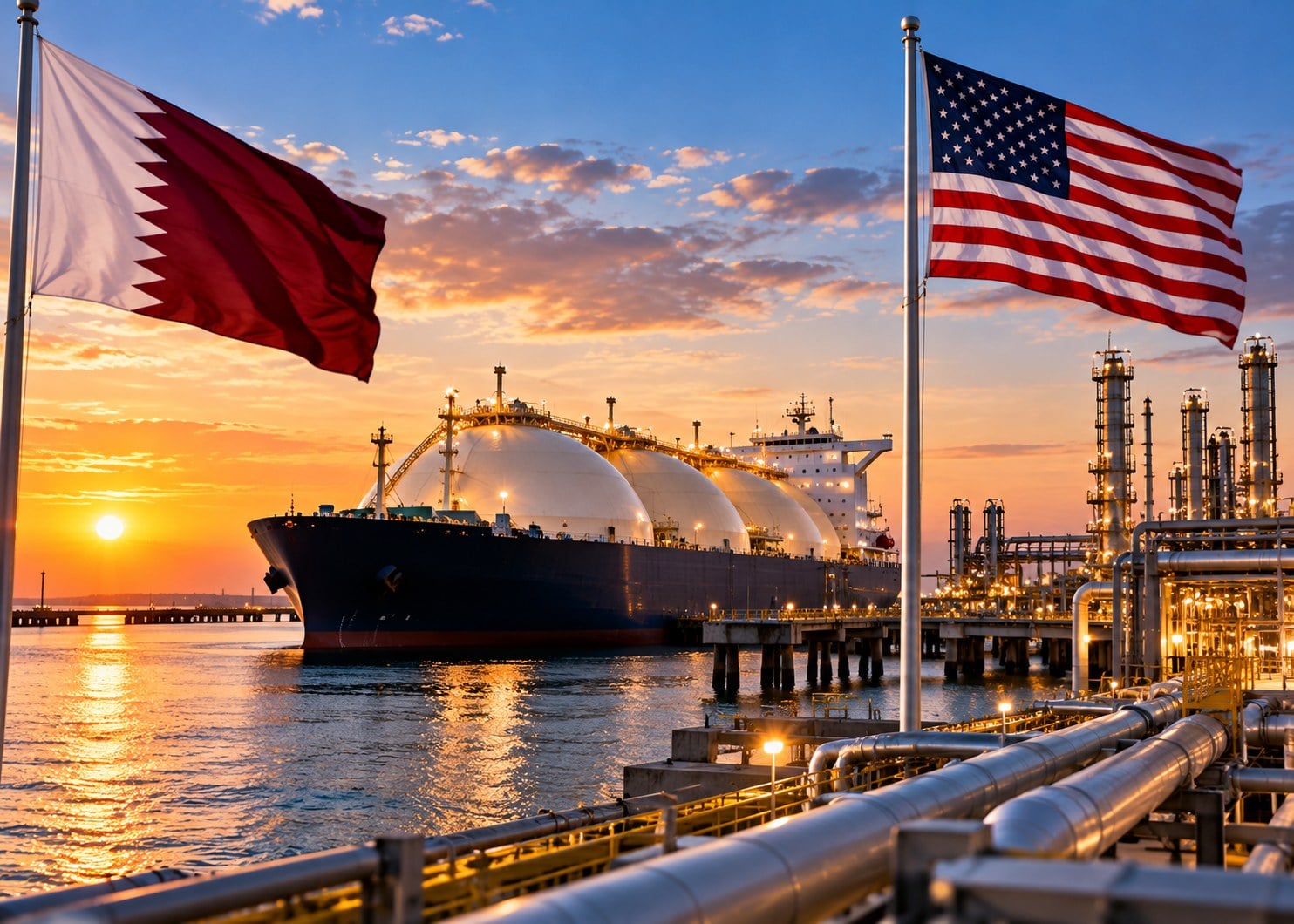
QatarEnergy is negotiating a long-term agreement to purchase as much as 3 million metric tons of liquefied natural gas annually from Woodside Energy’s Louisiana LNG project as disruption around the Strait of Hormuz restricts Qatar’s ability to serve customers from its domestic production.
Woodside’s Louisiana project is under construction and is designed to export approximately 16.5 million metric tons of LNG annually.
A potential QatarEnergy agreement could run for 15 to 20 years, although no final contract has been announced.
The negotiations represent an unusual reversal in global energy trade.
Qatar is one of the world’s largest LNG exporters. Disruption to shipping through Hormuz, however, has restricted its export capability and forced QatarEnergy to seek additional supplies from outside the country.
The company has already purchased U.S. LNG on the spot market to meet customer obligations.
QatarEnergy has also secured a long-term agreement for 4 million metric tons annually from Cheniere Energy’s U.S. facilities and is reportedly in advanced discussions with Venture Global for at least another 3 million metric tons annually.
The shift strengthens the strategic importance of U.S. Gulf Coast LNG infrastructure.
American export terminals were originally developed largely to supply overseas customers seeking alternatives to traditional gas exporters. Current disruptions are creating a situation in which one of those major exporters itself needs U.S. supply.
For global gas markets, the development demonstrates how geopolitical disruption can rapidly redirect established trade flows.
The next developments to watch are whether QatarEnergy and Woodside reach a binding agreement, how much additional U.S. LNG Qatar secures and whether shipping conditions through Hormuz improve enough to restore normal export operations.