Major U.S. airlines are entering the final quarter of 2026 under increasing financial pressure as surging jet-fuel costs overwhelm some of the industry’s largest fare increases in years.
Delta Air Lines, Southwest Airlines and American Airlines have lowered their 2026 earnings forecasts as fuel expenses rise faster than carriers can pass those increases to passengers.
Average U.S. airfares increased nearly 23% year over year through September.
That has not been enough to protect airline margins.
American now expects an adjusted 2026 loss of $1.00 to $1.60 per share, replacing a previous forecast ranging from a 65-cent profit to a 65-cent loss.
The company reported a third-quarter net loss of $269 million even as revenue climbed 19.3% to $16.3 billion.
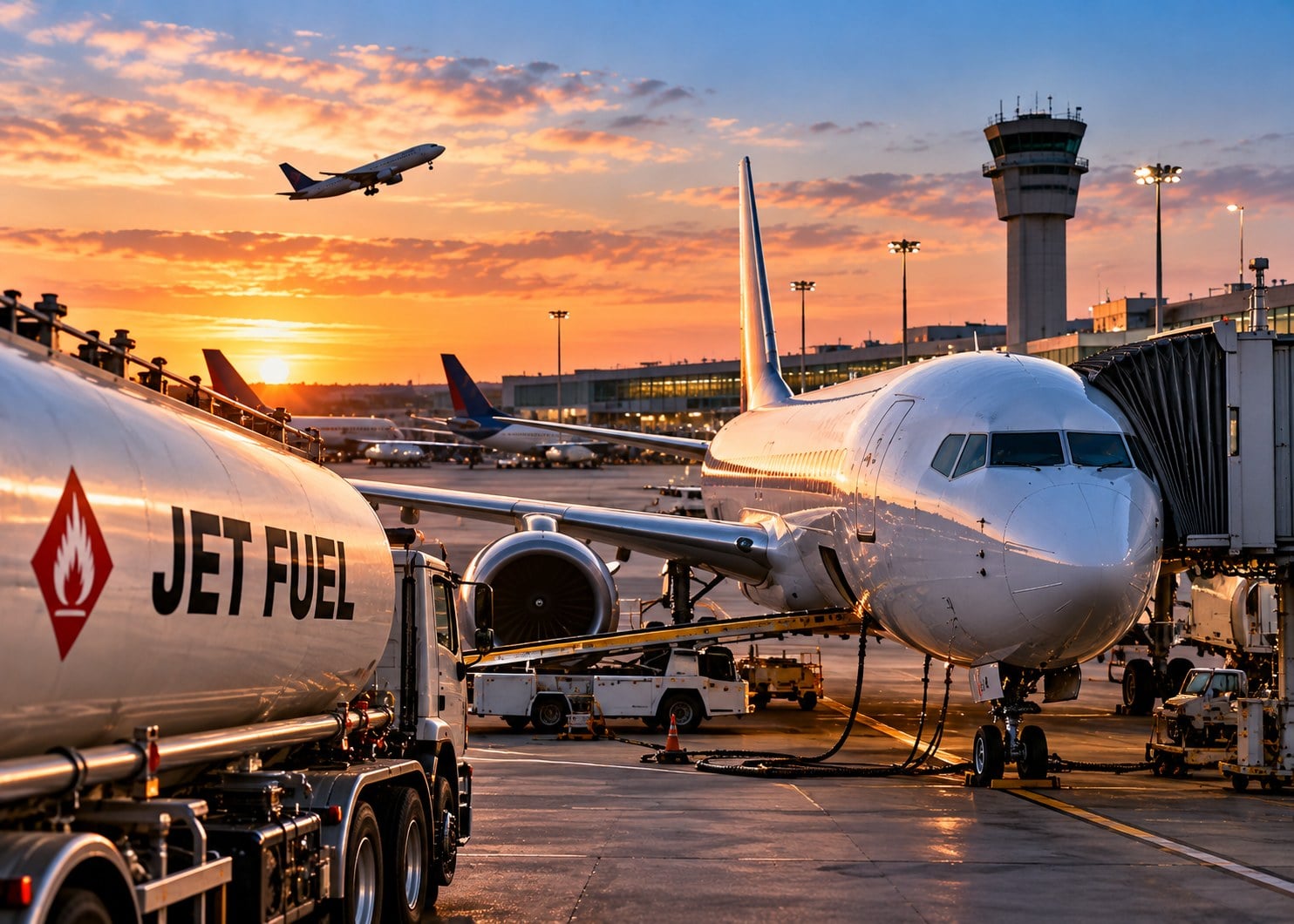
Airlines expect fourth-quarter jet fuel to cost approximately $4.25 to $4.85 per gallon, substantially higher than in previous periods. (Reuters)
United Airlines has also warned about profitability, while Delta has indicated that the industry may need to restrict capacity growth further to maintain pricing power.
The pressure illustrates how elevated energy costs are moving directly into consumer transportation.
Passenger demand remains resilient, and the four largest U.S. airlines reported record third-quarter revenue.
But every additional fare increase carries the risk of weakening demand.
That leaves airlines balancing three competing pressures: higher fuel bills, the need to preserve margins and the possibility that consumers eventually resist higher ticket prices.
Capacity is becoming one of the industry’s primary tools.
Reducing scheduled flights can help carriers maintain pricing power and improve aircraft utilization, but widespread reductions could also mean fewer choices and persistently elevated fares for travelers.
The next major test will be holiday travel demand and whether jet-fuel prices remain elevated into 2027.