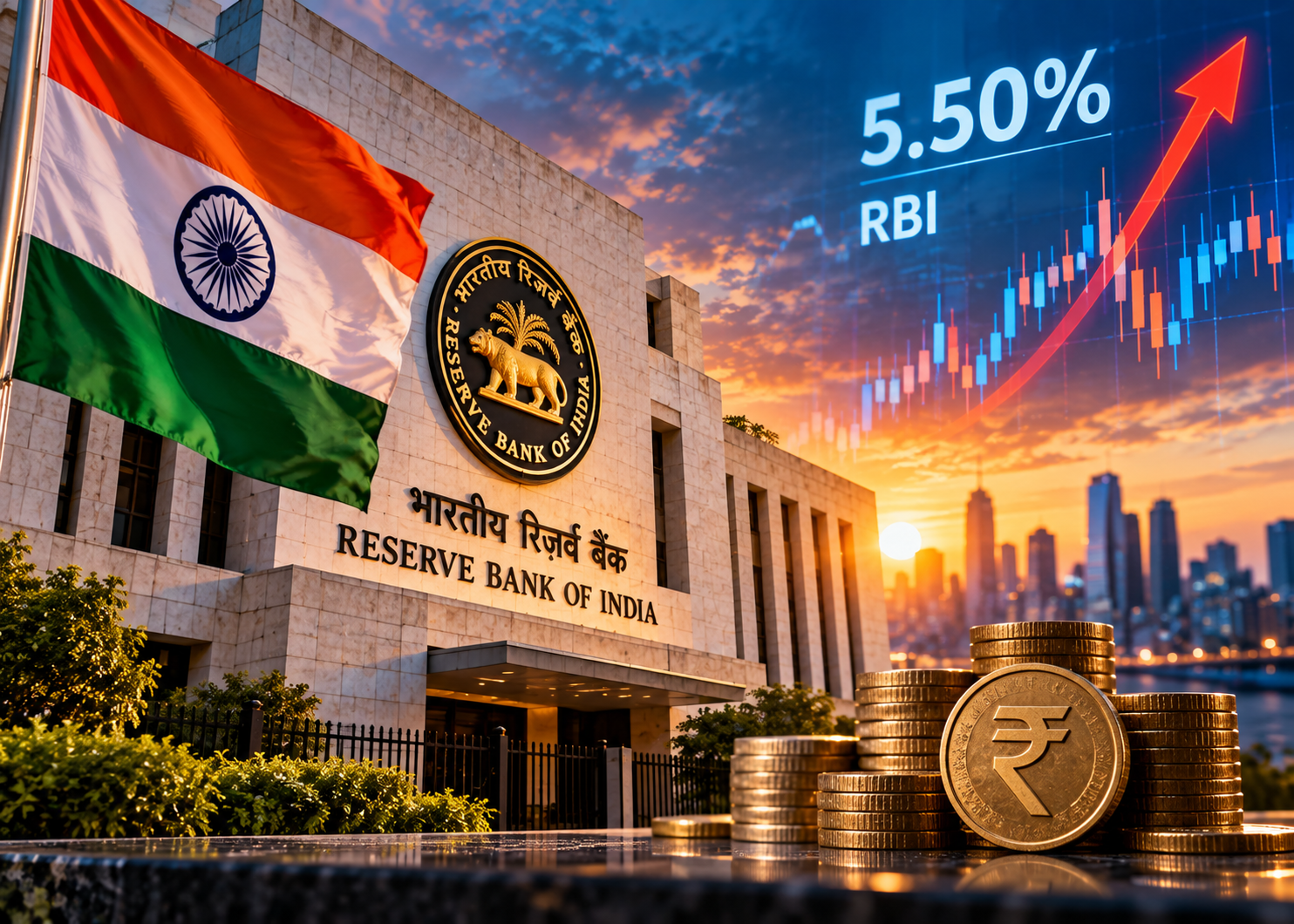
The Reserve Bank of India is increasingly expected to raise interest rates next month as broader inflation, a weaker rupee and renewed global monetary tightening increase pressure on policymakers.
Thirty-five of 61 economists surveyed by Reuters between September 18 and September 28 expect the RBI to increase its repo rate by 25 basis points to 5.50% at the conclusion of its October 5–7 meeting.
That would be India’s first rate increase since February 2023.
The shift in expectations follows an acceleration in consumer inflation to 4.82% in August. Inflation has exceeded the RBI’s 4% medium-term target for three consecutive months, with higher food and energy costs contributing to the increase.
The rupee has also weakened about 6% this year against the dollar, adding another complication as tighter U.S. monetary policy increases pressure on emerging-market currencies.
India is not operating in isolation.
The Federal Reserve raised rates earlier this month, and renewed increases in global energy prices are forcing central banks to reassess inflation risks that had previously appeared more manageable.
RBI policymakers have already indicated that broader inflation would strengthen the case for tightening.
The change in economist forecasts is significant. A slim majority in the latest Reuters poll also expects at least one additional 25-basis-point increase by December. Last month’s median forecast had suggested the RBI would leave rates unchanged through March.
If those forecasts prove correct, India would join the broader shift back toward monetary restriction while attempting to preserve strong domestic growth.
For markets, the October meeting will turn on whether inflation continues broadening beyond food and energy and whether currency pressure intensifies.
A rate increase could provide support to the rupee and reinforce the RBI’s inflation credentials, but tighter borrowing conditions would also increase financing costs across an economy that has remained comparatively resilient.
The key date is October 7, when the Monetary Policy Committee concludes its three-day meeting.