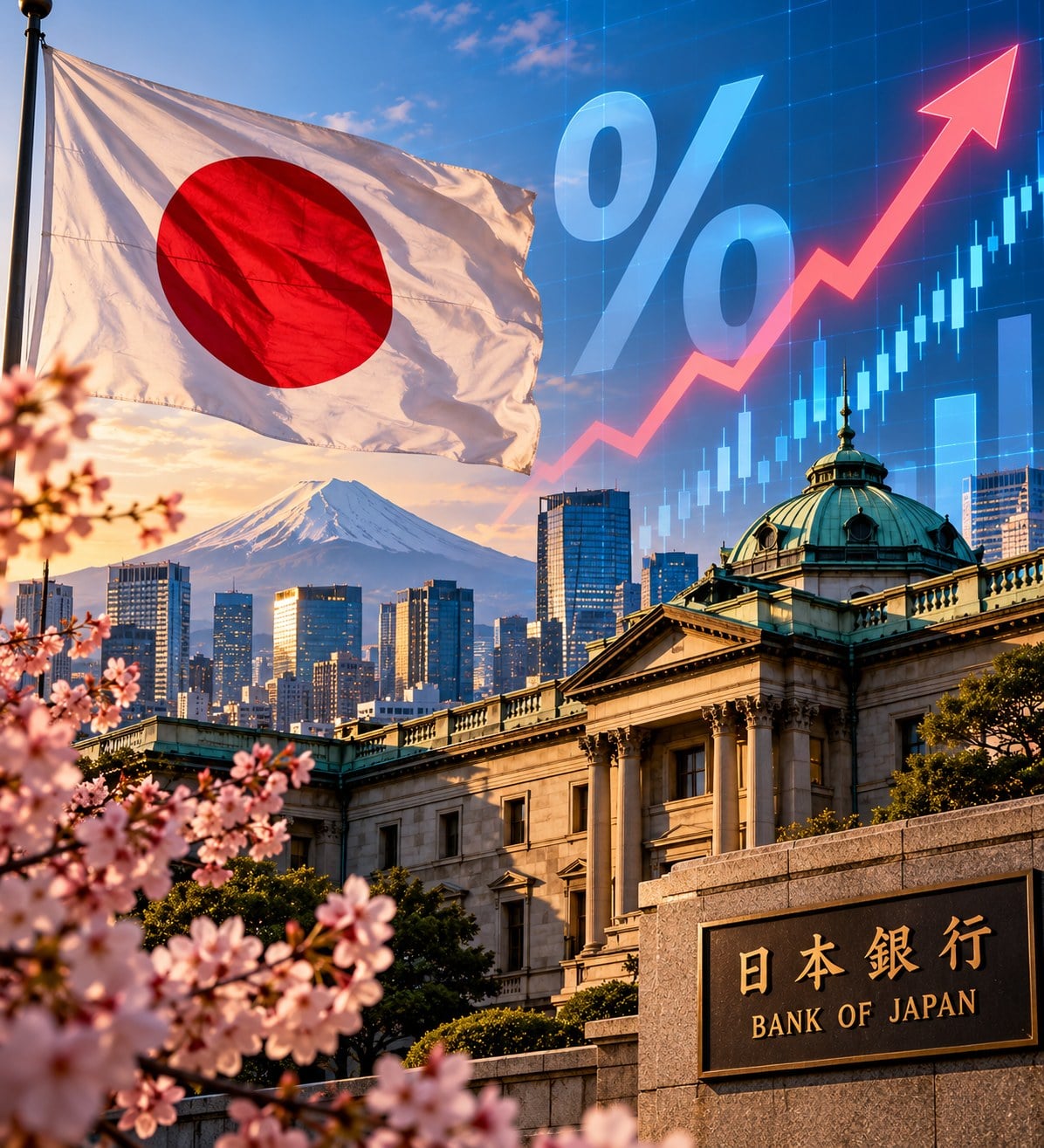
Japan’s core consumer inflation moved back above the Bank of Japan’s 2% target in September, strengthening the case for another interest-rate increase as policymakers confront broader price pressures across the economy.
The core consumer price index, which excludes fresh food but includes energy, increased 2.1% from a year earlier, accelerating from 1.7% in August and matching economists’ expectations. Inflation excluding both fresh food and fuel accelerated to 2.4% from 1.9%.
The figures arrive ahead of the BOJ’s October 29-30 policy meeting. The central bank raised its policy rate to 1.25% in September, its highest level in 31 years.
Another immediate increase next week is not the market’s base case, but the latest inflation data strengthen expectations for further tightening.
Energy remains part of the inflation story. Higher fuel costs associated with Middle East supply disruptions and a weak yen are offsetting some of the government’s fuel subsidies.
But the acceleration in the measure excluding fuel is particularly significant because it suggests inflation is not solely an imported-energy phenomenon.
That changes the policy calculation.
If wages, services prices and domestic demand continue sustaining inflation near or above 2%, the BOJ has greater justification to continue normalizing borrowing costs even after September’s increase.
The next test comes at next week’s meeting, when policymakers will release updated growth and inflation forecasts.
For markets, the key question is no longer whether Japan has escaped deflation. It is how far the BOJ ultimately needs to raise rates to keep inflation anchored around its target.