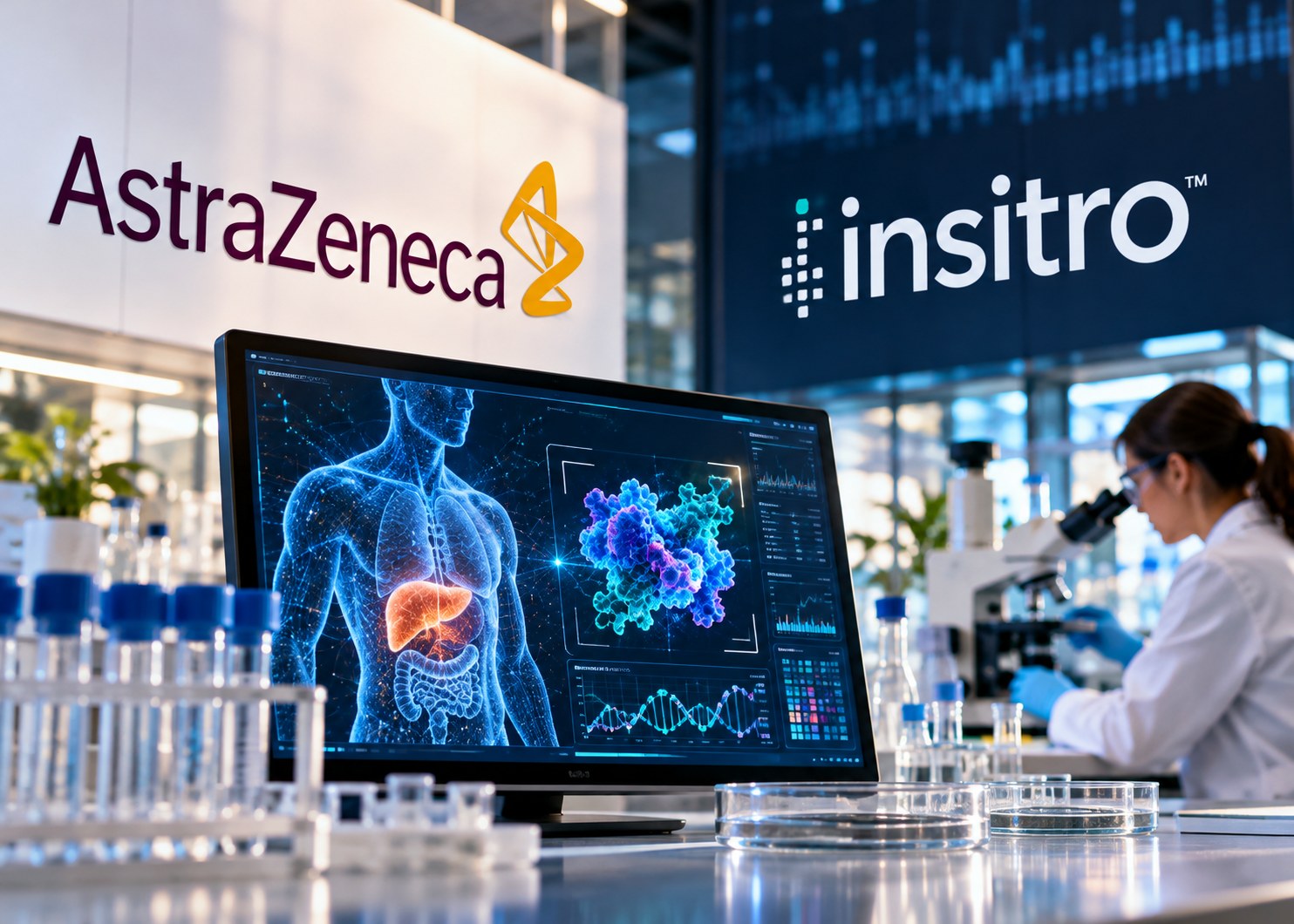
AstraZeneca has entered a strategic drug-discovery collaboration with insitro that could ultimately be worth about $1.5 billion as the pharmaceutical company expands its use of artificial intelligence in cardiometabolic research.
Insitro will receive $40 million upfront and is eligible for approximately $1.46 billion in discovery, development and commercial milestone payments, plus tiered royalties.
The collaboration targets metabolic dysfunction-associated steatohepatitis, known as MASH, and cardiomyopathies.
Insitro will apply its Virtual Human platform to identify disease biology and potential therapeutic targets using machine learning combined with biological and genetic data.
AstraZeneca will nominate targets and take responsibility for later clinical development and commercialization of successful programs.
The headline value requires an important qualification.
The approximately $1.46 billion in additional payments is contingent on future scientific, regulatory and commercial milestones. It is not guaranteed consideration being paid today.
That structure is common in biotechnology partnerships, where substantial portions of announced transaction values depend on drug candidates successfully advancing through development.
The agreement illustrates another area where artificial intelligence is moving from experimental technology into corporate research budgets.
Drug developers hope AI can identify biological relationships and potential therapeutic targets faster than conventional discovery methods, although clinical success remains dependent on subsequent laboratory testing and human trials.
For AstraZeneca, the partnership expands its access to specialized AI capabilities without requiring it to build every discovery platform internally.
The next meaningful milestones will be identification of viable drug targets and whether any programs progress into clinical development.