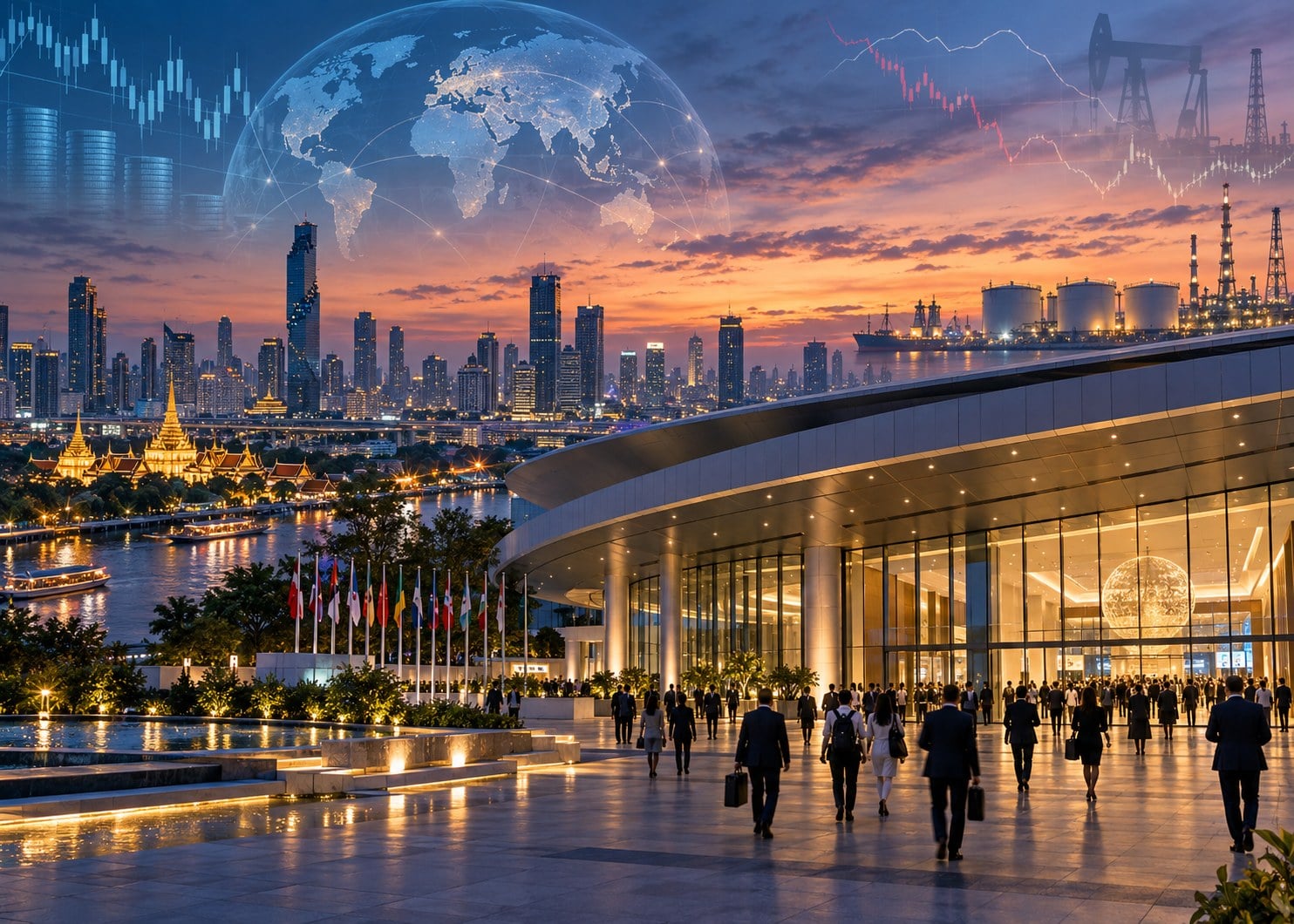
Global finance leaders are preparing to meet in Bangkok as rising energy costs, elevated borrowing rates and growing government debt create new challenges for the world economy.
The 2026 Annual Meetings of the International Monetary Fund and World Bank Group will take place in Thailand from October 12 through October 18, bringing together finance ministers, central bank officials, development leaders and private-sector executives from around the world.
The meetings arrive at a particularly sensitive moment for financial markets.
Higher energy prices have renewed inflation concerns across major economies, while elevated government bond yields are increasing borrowing costs for countries, businesses and consumers. Developing economies face additional pressure from expensive debt and stronger demand for financing.
Global financial stability and the economic outlook are expected to feature prominently during the meetings, alongside discussions covering sovereign debt, investment, employment and economic development.
Investors will also watch for updated assessments of global growth and inflation from the IMF as policymakers evaluate how persistent energy costs could affect monetary policy.
Central banks are facing increasingly difficult choices. Keeping interest rates high can help contain inflation, but restrictive monetary policy also raises financing costs and can slow economic activity.
The situation is particularly challenging for heavily indebted governments. Higher bond yields increase the cost of refinancing existing debt, potentially forcing governments to devote a larger share of their budgets to interest payments.
The Bangkok meetings will also focus on attracting private investment into infrastructure and economic development while examining how artificial intelligence and technological investment could influence future growth.
For financial markets, comments from central bankers and finance officials will be closely monitored for indications about inflation, interest rates and the outlook for global growth.
With energy markets, government debt and borrowing costs all under pressure, the IMF-World Bank meetings could provide an important indication of how policymakers intend to respond to the increasingly difficult global economic environment.