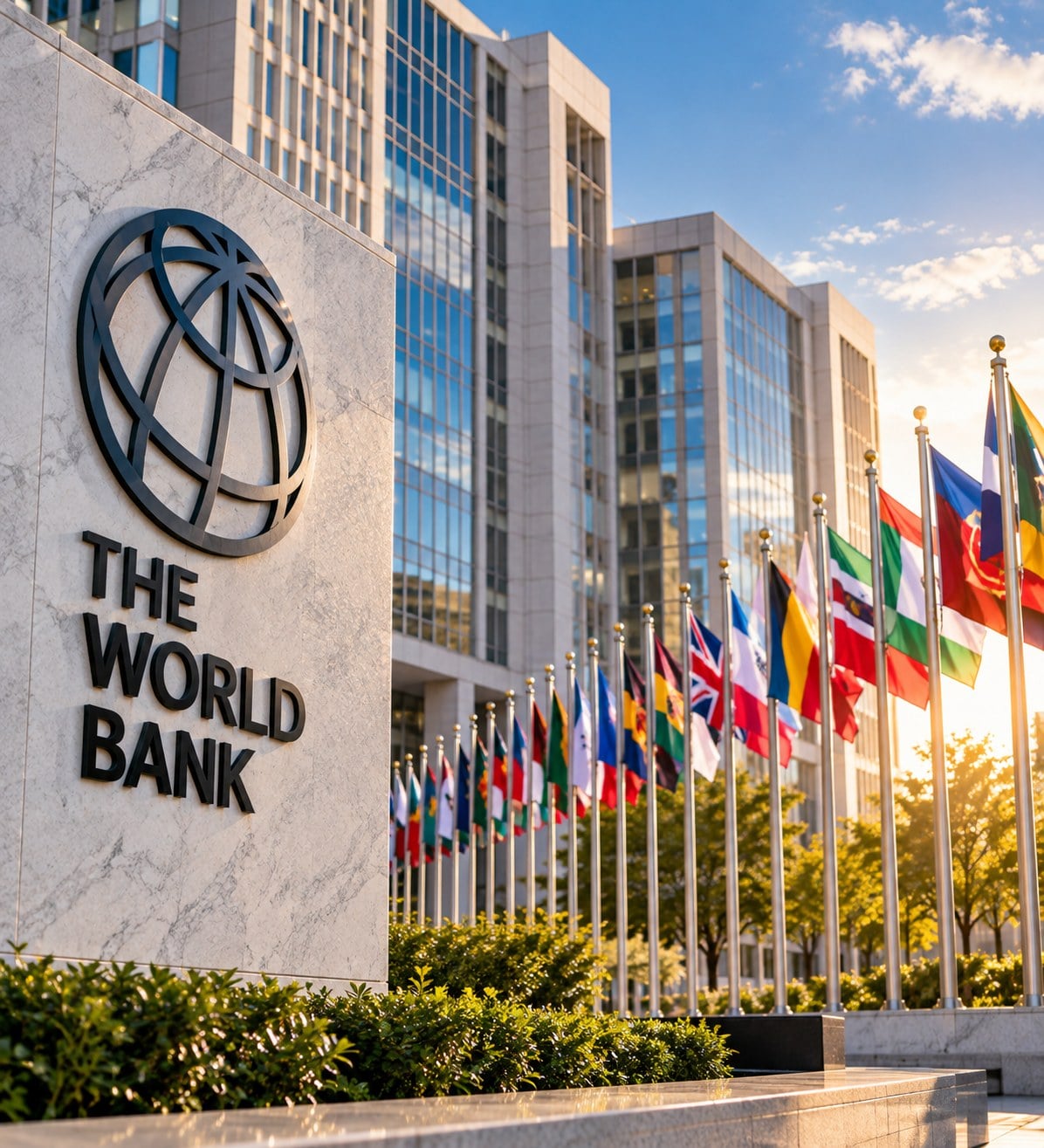
The World Bank is discussing potential crisis assistance with 30 to 40 countries as the global energy shock increasingly strains developing economies already carrying heavy debt burdens.
World Bank President Ajay Banga said the institution is seeing growing interest in financial support as elevated diesel, fertilizer and other essential costs feed through national budgets and household expenses.
The Bank initially made approximately $25 billion in crisis financing available after the Middle East war began. Demand was initially limited because the global economy proved more resilient than expected and energy markets adjusted faster than policymakers feared.
That picture is changing.
Banga said countries could ultimately seek portions of roughly $50 billion to $60 billion available through the initial crisis facility and the reallocation of money from existing World Bank projects.
The renewed demand comes as developing countries face an unusually difficult combination of external pressures.
Higher energy costs increase import bills for economies dependent on foreign fuel. Rising fertilizer prices threaten agricultural costs and food inflation, while elevated global interest rates make refinancing government debt more expensive.
Developing economies are expected to owe approximately $400 billion to external creditors during 2026, with interest payments accounting for roughly one-third of that burden.
That leaves governments with less fiscal capacity to subsidize fuel, protect households or increase public investment when external shocks intensify.
The World Bank is also attempting to expand the role of private capital as governments struggle with increasingly constrained public finances.
The discussions come as finance ministers and central bankers gather in Bangkok for the IMF and World Bank annual meetings.
Energy prices, sovereign debt and financing conditions are expected to dominate discussions as policymakers assess whether the current shock remains manageable or begins causing broader balance-of-payments and debt problems.
For markets, the important signal is no longer simply the amount of emergency money immediately requested.
The number of governments now discussing assistance indicates that the energy shock is moving from commodity markets into sovereign finances.
The next test will be how many countries formally request financing, whether existing World Bank projects are redirected toward emergency support and whether debt vulnerabilities force additional restructuring.