
Chinese memory-chip producer CXMT says its fifth-generation DRAM manufacturing platform has entered mass production, marking another step in China’s effort to build a more self-sufficient semiconductor supply chain.
The company says the new process increases chip density while reducing production cost and power consumption. CXMT is using quadruple-patterning techniques to shrink memory-cell spacing to 11.95 nanometers.
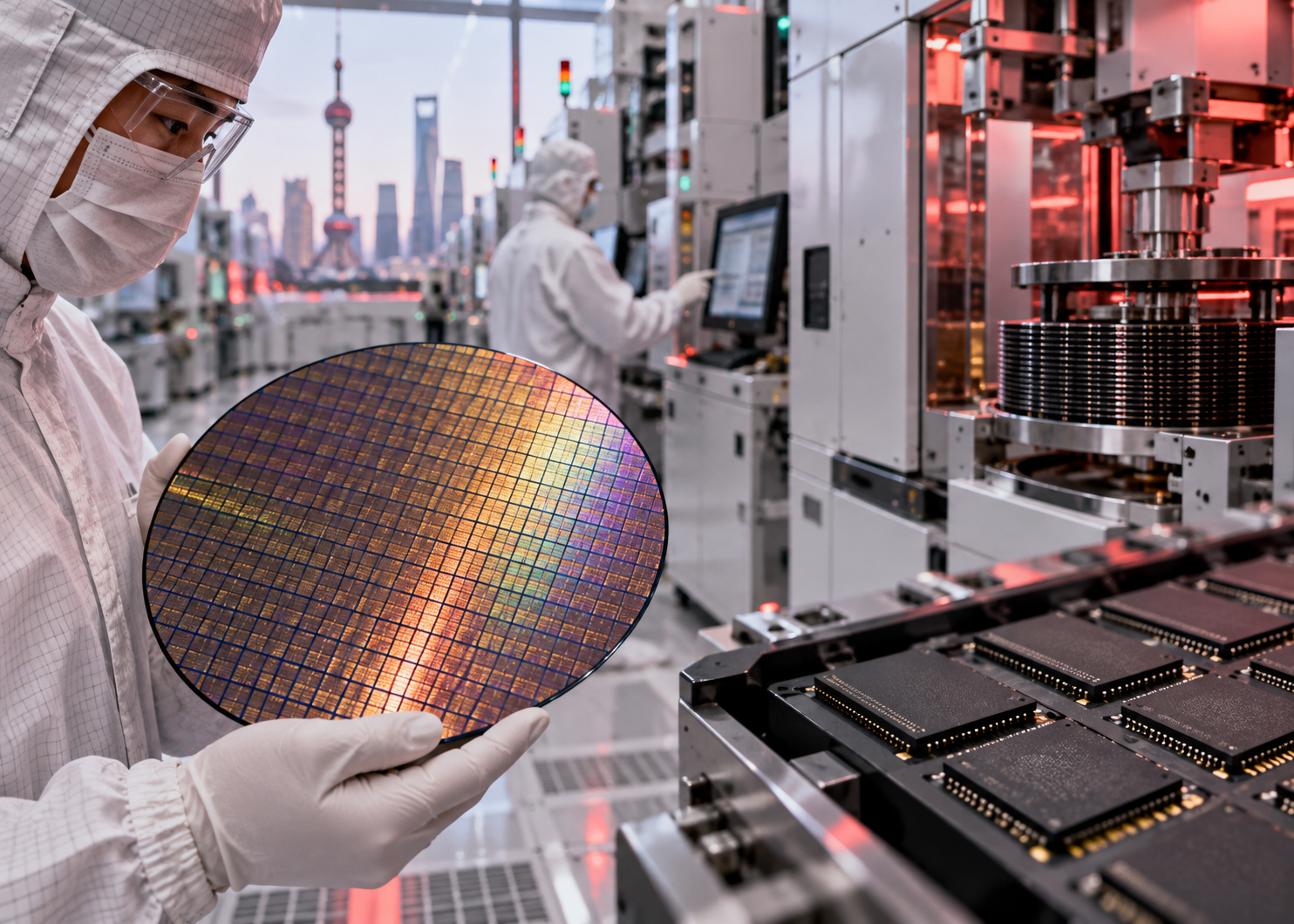
CXMT also introduced two 24-gigabit LPDDR5X products designed for smartphones and other mobile devices. The company says the platform can increase gross die output per wafer by at least 50% compared with its previous generation.
The development matters because DRAM remains concentrated among a small group of global producers, principally Samsung Electronics, SK Hynix and Micron. China has spent heavily to reduce its dependence on foreign semiconductor technology while U.S. export restrictions have constrained access to some advanced manufacturing equipment.
Mass production does not by itself establish that CXMT has reached the yields, scale or economics of the industry leaders. Those factors will determine the commercial impact.
For semiconductor markets, the next issue is whether CXMT can translate its manufacturing advances into sustained volume. If it does, additional Chinese supply could eventually influence memory pricing and competitive dynamics well beyond China.