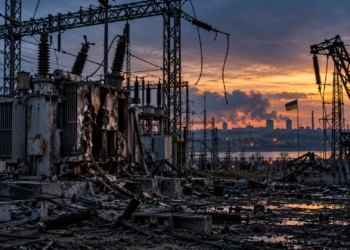

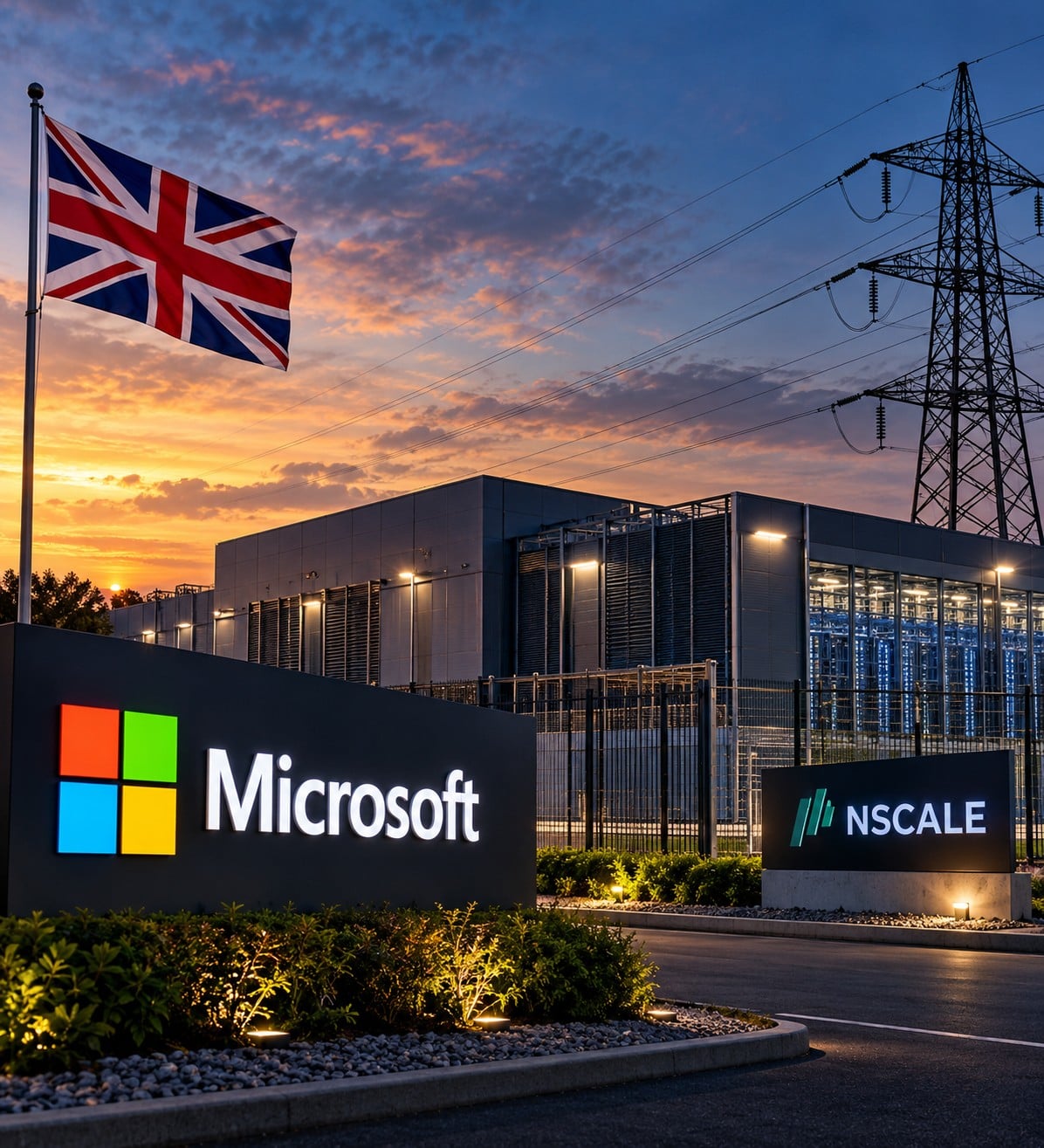
Microsoft has withdrawn from an agreement covering a British data-center project being developed by Nvidia-backed Nscale, highlighting how electricity constraints are becoming a material obstacle to the rapid expansion of artificial-intelligence infrastructure.
The agreement concerned Nscale’s planned facility in Loughton, Essex. The project has encountered repeated delays, while grid officials reportedly warned that sufficient electricity for the facility might not become available until the 2030s.
The power constraint is significant, but Microsoft has not publicly confirmed that it was the reason for terminating the agreement. Nscale has said its broader relationship with Microsoft remains strong and that the problem is limited to the delayed project.
Nscale is exploring alternative power sources for the Loughton facility as well as other potential UK expansion locations.
The development exposes an increasingly important constraint on the AI investment cycle. Building advanced data centers requires far more than processors and capital. Large facilities need enormous quantities of dependable electricity, grid connections, cooling infrastructure and suitable land.
Nscale has expanded rapidly and counts Microsoft and Anthropic among major customers. The Nvidia-backed company recently filed for a U.S. initial public offering and disclosed more than $103 billion in total contracted value.
The loss of one Microsoft project therefore does not end their commercial relationship, but it provides a concrete example of how physical infrastructure can interfere with ambitious AI deployment schedules.
For investors, the implications extend beyond Nscale. Hyperscalers and AI infrastructure companies are committing extraordinary amounts of capital to computing capacity, while electricity generation and transmission infrastructure cannot always expand at the same speed.
The next issue to watch is whether Nscale secures an alternative power solution for Loughton and whether similar grid constraints begin delaying additional European AI data centers.