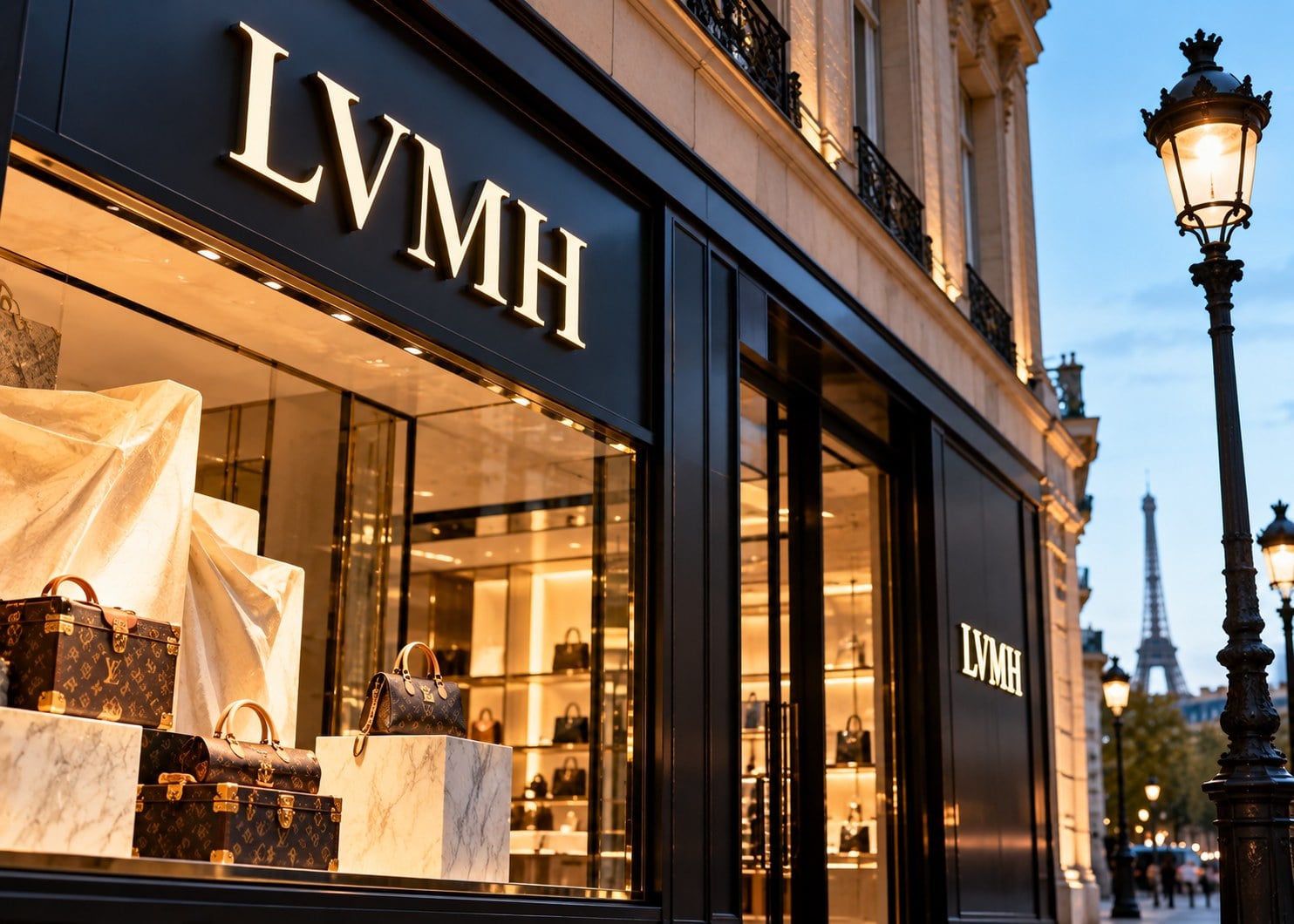
LVMH reported a renewed decline in its largest business as weak Chinese consumer demand weighed on Louis Vuitton and other luxury brands, challenging expectations that the industry’s prolonged downturn was beginning to ease.
Organic sales at LVMH’s fashion and leather goods division fell 5% during the third quarter, substantially worse than the roughly 1.8% decline expected by analysts.
The deterioration followed an improvement during the previous quarter that had raised hopes demand was stabilizing.
Group organic revenue increased approximately 1%, but regional performance diverged sharply.
Sales in Asia excluding Japan declined 5%, reflecting continued weakness in China, while U.S. sales increased approximately 5%.
Chinese luxury demand remains one of the industry’s largest uncertainties.
Economic weakness, the country’s prolonged property-sector problems and increased scrutiny of wealthy consumers have contributed to softer spending.
LVMH’s results therefore carry implications well beyond one company.
China has historically been one of the most important growth engines for European luxury groups, and sustained weakness would place pressure on rivals as they report their own quarterly results.
The market reaction was immediate. LVMH shares fell following the results, while weakness spread to other European luxury stocks.
Not every part of the company weakened.
Watches and jewelry continued to grow, although growth slowed, highlighting the uneven performance across the group’s portfolio.
But fashion and leather goods remain central to LVMH’s earnings power and investor perception.
The third-quarter setback shifts attention toward whether Chinese spending stabilizes during the fourth quarter and whether stronger U.S. demand can compensate for continued weakness in Asia.
Results from other European luxury groups will provide the next test of whether LVMH’s weakness is company-specific or evidence of a broader industry slowdown.