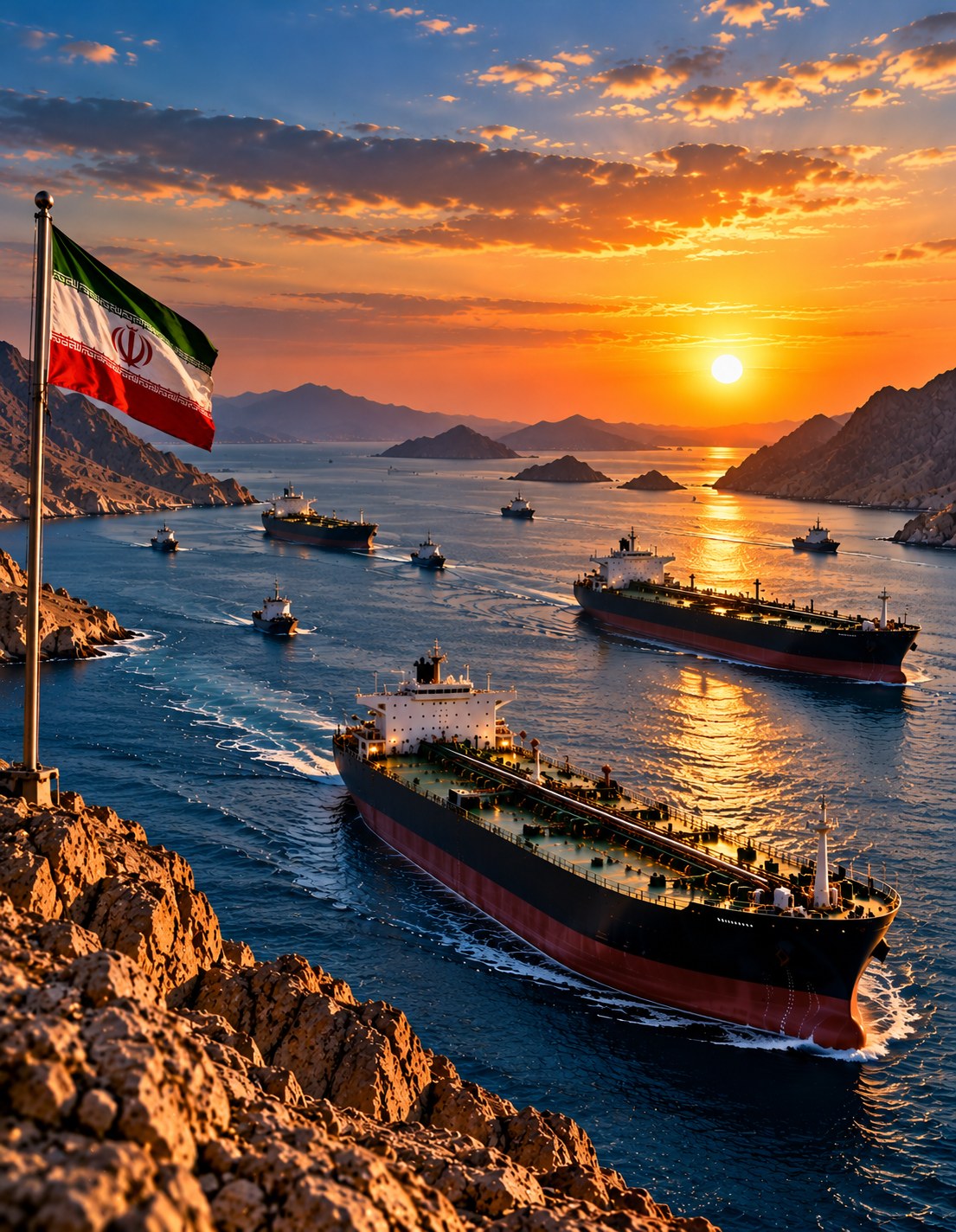
Iran said the United States has not adequately answered Tehran’s conditions for reopening the Strait of Hormuz, leaving one of the world’s most important energy transit routes at the center of the global oil-supply crisis.
Mohsen Rezaei, secretary of Iran’s Supreme National Security Council, said Sunday that Washington’s response to a seven-condition Iranian proposal was insufficient and that several issues remain unresolved.
Iran presented the proposal during the United Nations General Assembly. Under the plan, normal maritime traffic through the Strait of Hormuz could be restored within seven days if its conditions were satisfied.
The United States subsequently delivered a response through Qatari intermediaries.
According to Rezaei, Washington accepted some Iranian conditions but left others unclear. He said Iran would not reopen the strait to U.S. access or continue negotiations until its requirements were addressed.
The White House had not immediately responded publicly to the latest Iranian statement.
The stakes extend well beyond the negotiations themselves.
Before the current conflict, roughly one-fifth of global oil and liquefied natural gas supplies passed through the Strait of Hormuz. Restrictions and security threats surrounding the waterway have contributed to sharply higher energy prices and forced traders to price an unusually large geopolitical risk premium into crude.
Oil markets remain under significant pressure, with continuing conflict and attacks on tankers adding to concerns about Middle Eastern supply.
The latest Iranian statement reduces near-term expectations that unrestricted shipping through Hormuz will quickly return.
For global markets, reopening the strait could remove one of the largest geopolitical premiums embedded in energy prices. Continued deadlock would instead leave oil-importing economies exposed to elevated transportation costs, inflation and renewed supply disruptions.
The next major development will be whether Washington clarifies its response to Iran’s seven conditions or whether Qatar and other intermediaries can restart negotiations.
Until then, the Strait of Hormuz remains both a physical constraint on global energy flows and one of the most consequential geopolitical variables facing oil markets.