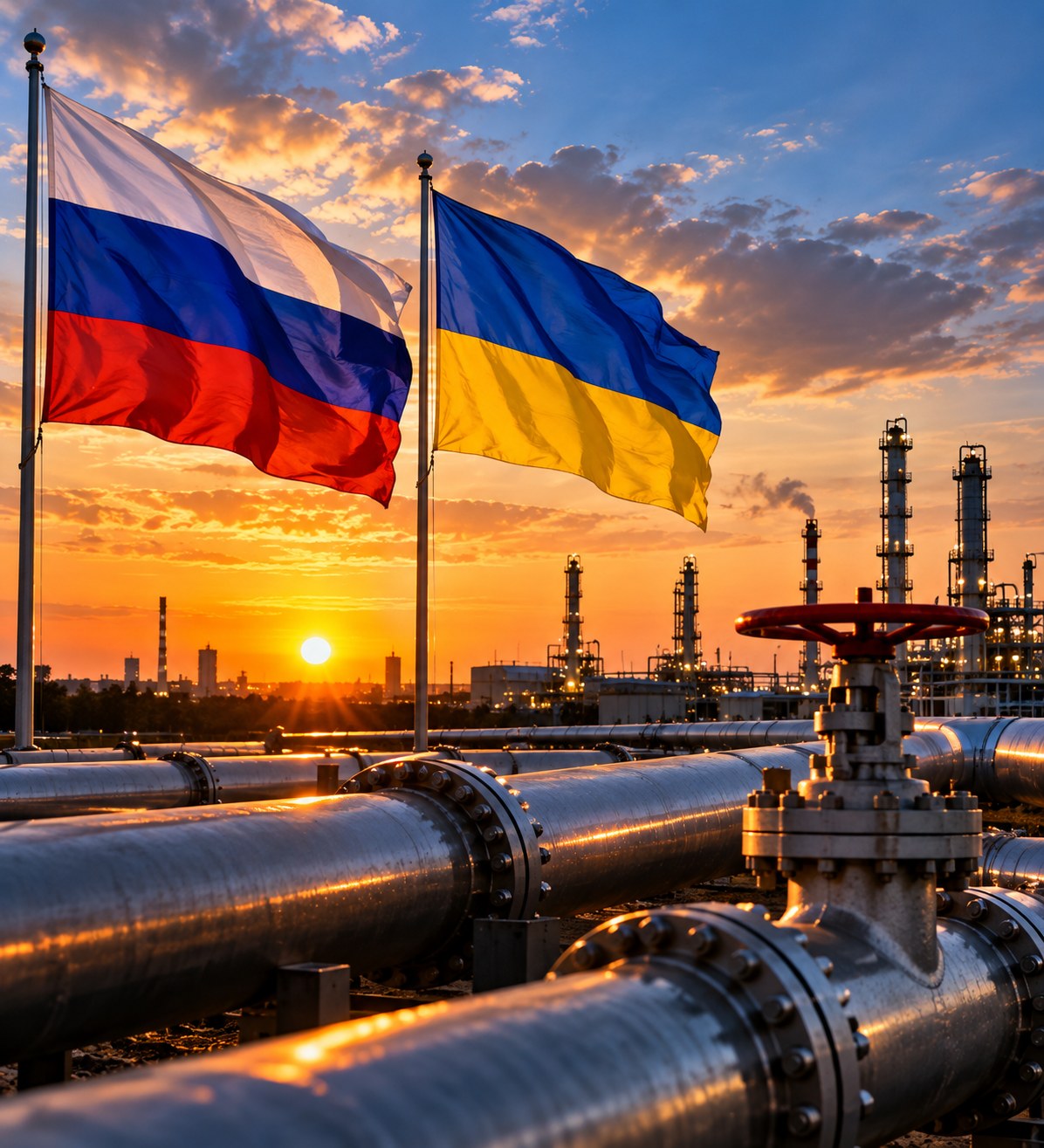
President Donald Trump said Sunday that Russia and Ukraine had agreed to an immediate ceasefire covering energy infrastructure, potentially opening a new effort to curb attacks that have disrupted Russian refining and Ukraine’s power system.
But the status of the agreement remained uncertain.
Trump announced that both sides had accepted what he called an “energy ceasefire,” without providing detailed terms.
Ukrainian President Volodymyr Zelenskyy subsequently said Ukraine supported a ceasefire but was still waiting for details from Washington and emphasized that Russia also needed to support the arrangement.
Moscow had not publicly confirmed the agreement at the time of Reuters’ latest report.
That distinction is critical.
Trump’s announcement follows mounting pressure on Kyiv to stop striking Russian oil refineries. Ukrainian attacks have damaged processing capacity and contributed to tighter refined-product markets, although the much larger Middle East energy shock has also driven global fuel prices sharply higher.
Zelenskyy said Ukraine would be prepared to halt attacks on Russian refineries if Russia stopped targeting Ukrainian energy infrastructure and if the arrangement included credible guarantees.
The announcement therefore represents a potentially significant diplomatic development, but not yet a fully verified bilateral ceasefire.
The economic stakes extend beyond Ukraine.
Repeated damage to Russian refineries has tightened diesel availability at a time when global inventories are already constrained. A durable halt to refinery attacks could eventually reduce one source of pressure on refined-product markets.
The immediate question is whether Moscow formally accepts the arrangement and whether both sides stop attacks on energy infrastructure.
Until that happens, markets should treat Sunday’s announcement as a potentially important ceasefire initiative rather than a confirmed operational agreement.