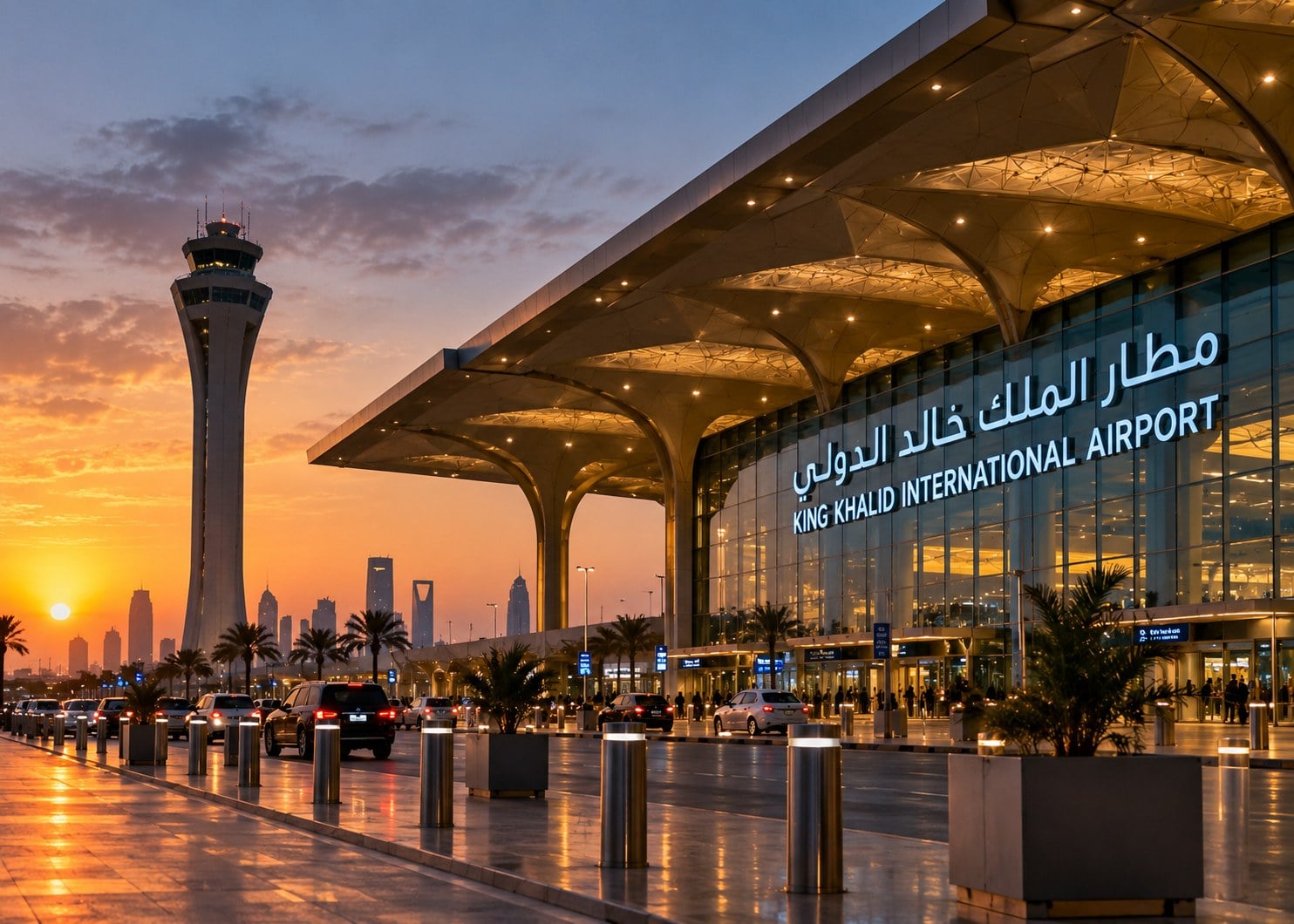
Saudi stocks fell Sunday after a deadly attack on Riyadh’s international airport intensified concerns that escalating fighting with Yemen’s Houthis could increasingly threaten the kingdom’s transport and economic infrastructure.
Saudi Arabia’s benchmark TASI index declined approximately 1%, with most constituents trading lower.
Saudi National Bank fell about 1%, while Saudi Aramco declined roughly 0.6%.
The market reaction followed Saturday’s attack on King Khalid International Airport.
Saudi authorities said at least 12 people were killed and more than 300 wounded, making it the deadliest such attack in the kingdom in more than a decade.
The escalation has implications beyond Sunday’s stock-market decline.
Riyadh is an important regional aviation, investment and business hub. Persistent attacks capable of disrupting airport operations could raise costs for airlines, alter travel patterns and increase the geopolitical risk premium attached to Saudi assets.
Saudi Arabia extended the closure of its main international airport following the attack, while Riyadh schools were moved online. The Houthis have also threatened additional strikes against Saudi airports.
For global markets, the larger risk remains whether attacks move increasingly toward Saudi oil production, refining or export infrastructure.
Saudi Arabia remains one of the world’s most important crude suppliers, making sustained disruption to its energy system materially more consequential than Sunday’s equity decline alone.
The immediate indicators to watch are airport operations, international flight schedules, additional attacks and any evidence that the confrontation is spreading further into energy infrastructure.