Oil prices surged Thursday as simultaneous disruptions in the U.S. Gulf of Mexico and Middle East shipping routes tightened the near-term supply outlook.
Brent crude climbed more than 4% above $104 a barrel, while West Texas Intermediate moved above $90. The rally extended Wednesday’s return of Brent above $100 but was driven by materially stronger physical supply concerns.
Hurricane Isaias is moving through the Gulf of Mexico after strengthening from a tropical storm, prompting offshore producers to shut production and evacuate personnel.
Roughly 511,600 barrels per day of Gulf oil production — about one quarter of regional output — had been shut as producers prepared for the storm. Major operators subsequently moved to halt production at additional offshore facilities.
The Gulf disruption comes as the security situation facing Middle Eastern oil shipments deteriorates.
UK Maritime Trade Operations reported that a tanker approximately 51 nautical miles north of Qatar was struck by multiple projectiles, with casualties reported. The incident followed several tanker strikes in and around the Strait of Hormuz during the opening days of October. UKMTO had not attributed responsibility for the attacks.
The combination of hurricane-related production losses and continuing threats to tanker traffic is adding a renewed risk premium to a market that had only recently begun responding to improved Gulf export volumes.
Governments have emergency inventories available to cushion the market, while recovering Gulf exports provide another source of supply. But those buffers are being tested by several disruptions occurring simultaneously.
Refined products remain particularly vulnerable because restoring crude production alone does not immediately restore refinery output or supplies of diesel, gasoline and jet fuel.
The renewed surge in oil matters far beyond energy markets.
Higher crude and fuel prices can strengthen inflation expectations, increase transportation and manufacturing costs and put additional pressure on household spending.
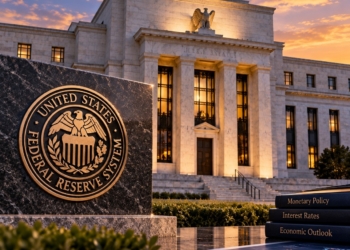
That is particularly important for the Federal Reserve as policymakers assess whether inflation is persistent enough to require additional interest-rate increases.
Higher long-term Treasury yields are already tightening financial conditions, adding another layer of pressure as markets absorb the renewed energy shock.
The next test is physical rather than rhetorical: how much U.S. Gulf production remains offline, whether Middle East tanker traffic suffers additional disruption and whether emergency inventories are sufficient to prevent the supply squeeze from deepening.
A sustained Brent price above $100 would reinforce the argument that the energy shock is once again becoming a significant macroeconomic problem rather than simply an isolated commodity-market event.