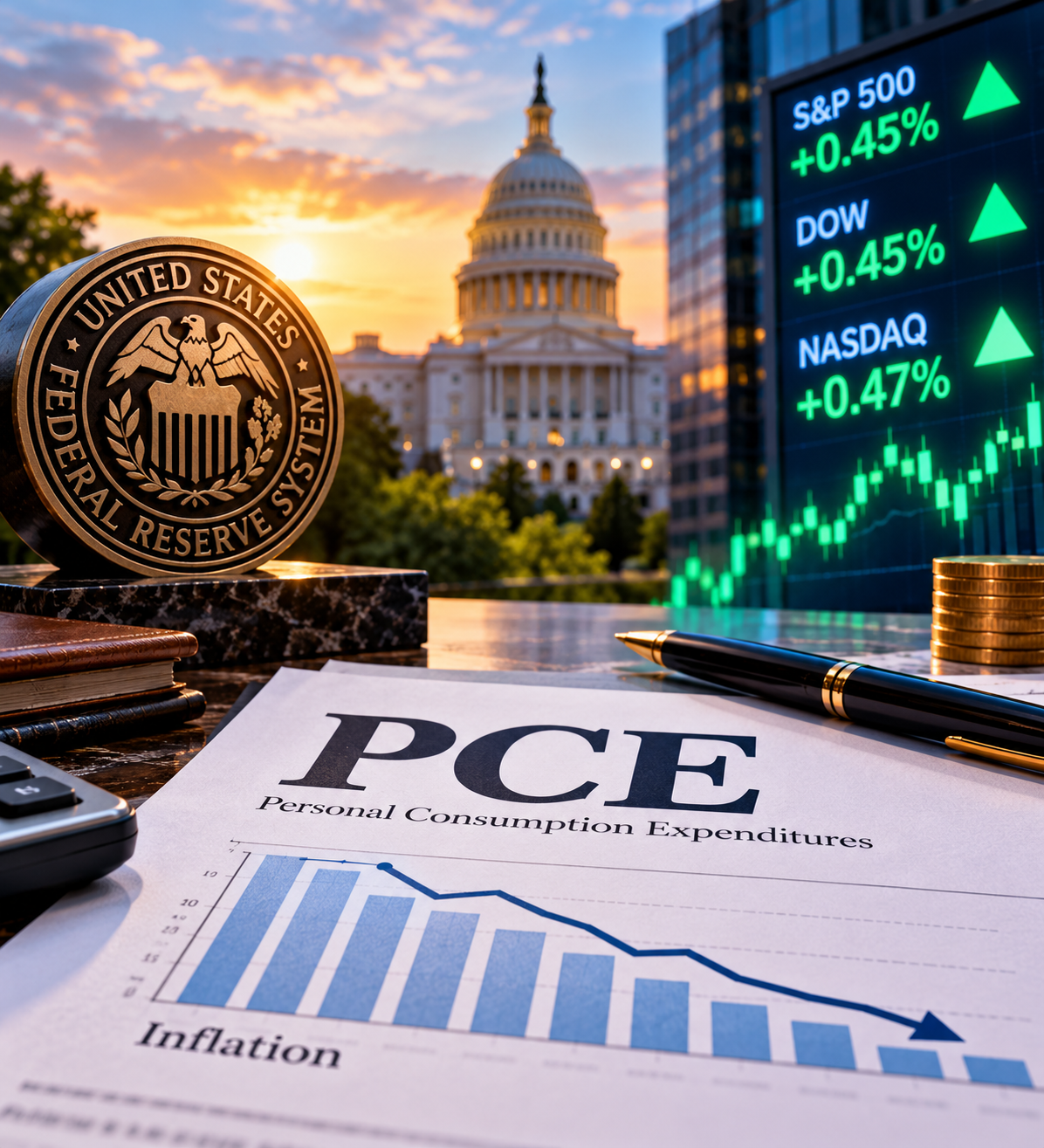
U.S. inflation came in softer than economists expected in August, giving financial markets some relief after weeks of rising Treasury yields and renewed concern that the Federal Reserve could tighten monetary policy again.
The Personal Consumption Expenditures price index increased 0.3% from July and 3.4% from a year earlier. Economists surveyed ahead of the report had expected a 0.4% monthly increase and a 3.7% annual rate.
Core PCE, which excludes food and energy and is closely watched by Federal Reserve policymakers, rose 0.2% for the month and 3.0% from a year earlier. Forecasts had called for increases of 0.3% and 3.3%, respectively.
The inflation figures matter because markets entered Wednesday after a sharp repricing of U.S. interest-rate expectations. The Federal Reserve raised rates earlier in September, while higher energy prices and resilient economic activity had increased speculation that policymakers might tighten again.
Wednesday’s data complicates that narrative.
Inflation remains above the Fed’s 2% objective, but the softer-than-forecast reading reduces some of the immediate pressure for another increase. U.S. stock-index futures extended gains after the release, with Dow, S&P 500 and Nasdaq-100 futures all moving higher.
At the same time, the U.S. economy appears stronger than previously estimated. The final estimate of second-quarter GDP showed annualized growth of 2.2%, an upward revision that reinforces the picture of an economy still expanding despite restrictive borrowing costs.
That combination — moderating inflation alongside continued economic growth — is constructive for markets if it persists. It gives the Fed more room to evaluate incoming data rather than reacting immediately to inflation fears.
But the picture is not settled. Energy prices remain elevated because of the continuing Middle East conflict, and those increases can feed into future inflation readings.
The next question is whether August’s softer PCE reading marks a durable improvement or merely a temporary pause before higher fuel and transportation costs work through the economy.
Markets will now turn toward Friday’s September employment report. A strong labor report combined with renewed inflation pressure could restore expectations for additional tightening. A softer employment reading would strengthen the argument for the Fed to remain patient.
For Wall Street, Wednesday’s inflation report provides immediate relief. It does not yet provide an all-clear.