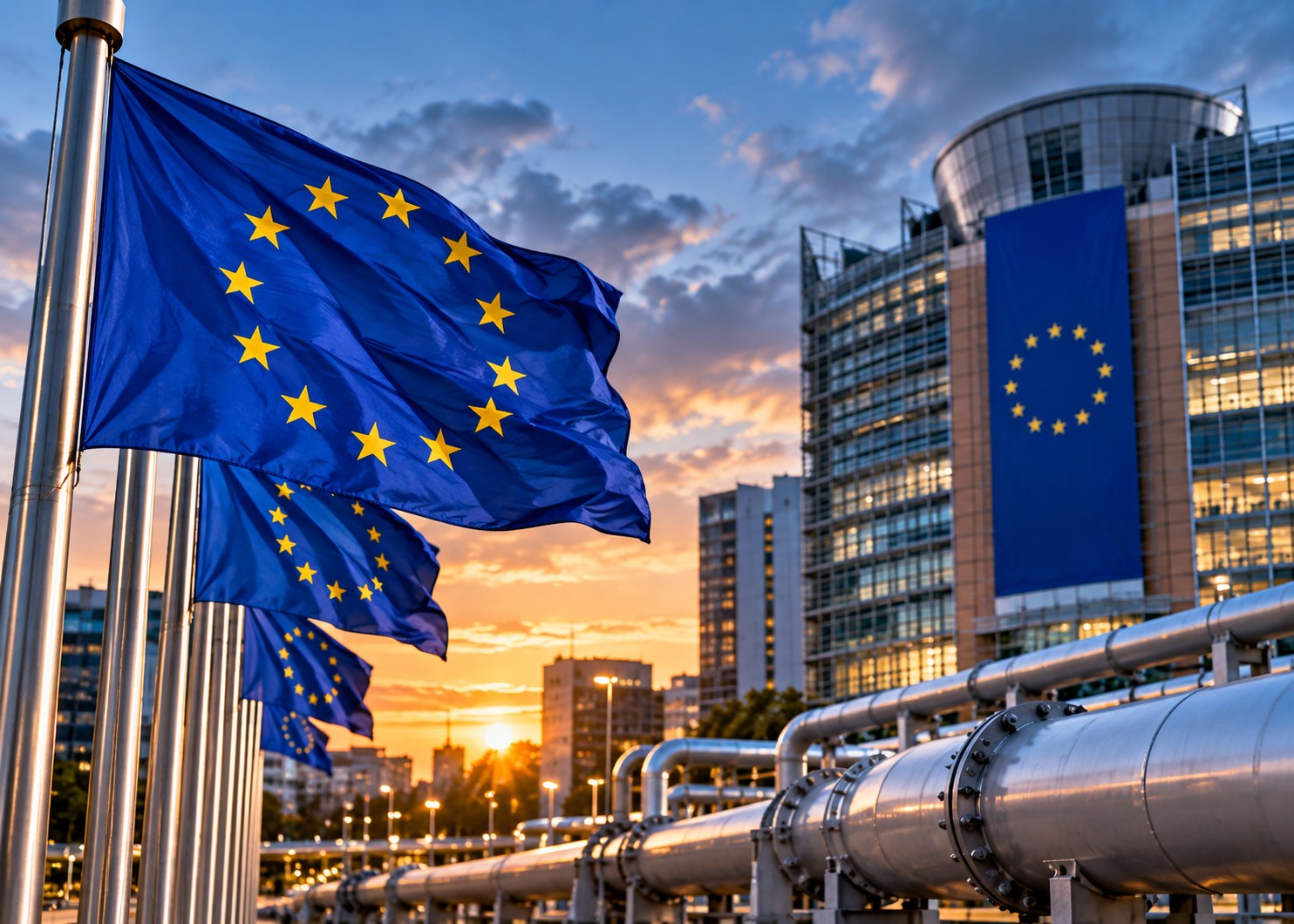
European Union leaders are confronting another major energy challenge as elevated oil and fuel prices threaten to increase industrial costs, complicate inflation control and weaken Europe’s ability to compete with the United States and China.
Energy prices were among the central economic issues facing EU leaders meeting in Brussels Friday as Middle East disruptions and the continuing Russia-Ukraine conflict place renewed pressure on global energy supplies.
The problem arrives at a difficult time for European industry.
Manufacturers already face relatively high electricity and operating costs compared with competitors in other major economies. Another sustained increase in oil and fuel prices could further squeeze margins across transportation, chemicals, manufacturing and other energy-intensive sectors.
The energy shock also complicates monetary policy.
Higher fuel costs can push consumer inflation upward even when underlying domestic demand is weak, creating a situation in which central banks must balance slowing growth against renewed price pressures.
Europe’s competitiveness challenge extends beyond energy.
EU leaders are simultaneously debating trade relations with China, industrial policy and environmental regulations as governments attempt to protect European manufacturing without abandoning longer-term climate objectives.
Automobiles are a particularly sensitive area.
France and Germany have pushed for adjustments to European vehicle policy as manufacturers contend with expensive energy, Chinese competition and the enormous capital requirements associated with electrification.
The broader issue is whether Europe can maintain industrial investment while businesses face structurally higher input and financing costs.
For markets, the next development to watch is whether EU governments respond primarily through energy-market intervention, regulatory changes or additional industrial support.
A prolonged period of elevated energy prices would increase pressure for a broader policy response as Europe attempts to prevent another energy shock from becoming a lasting competitiveness problem.