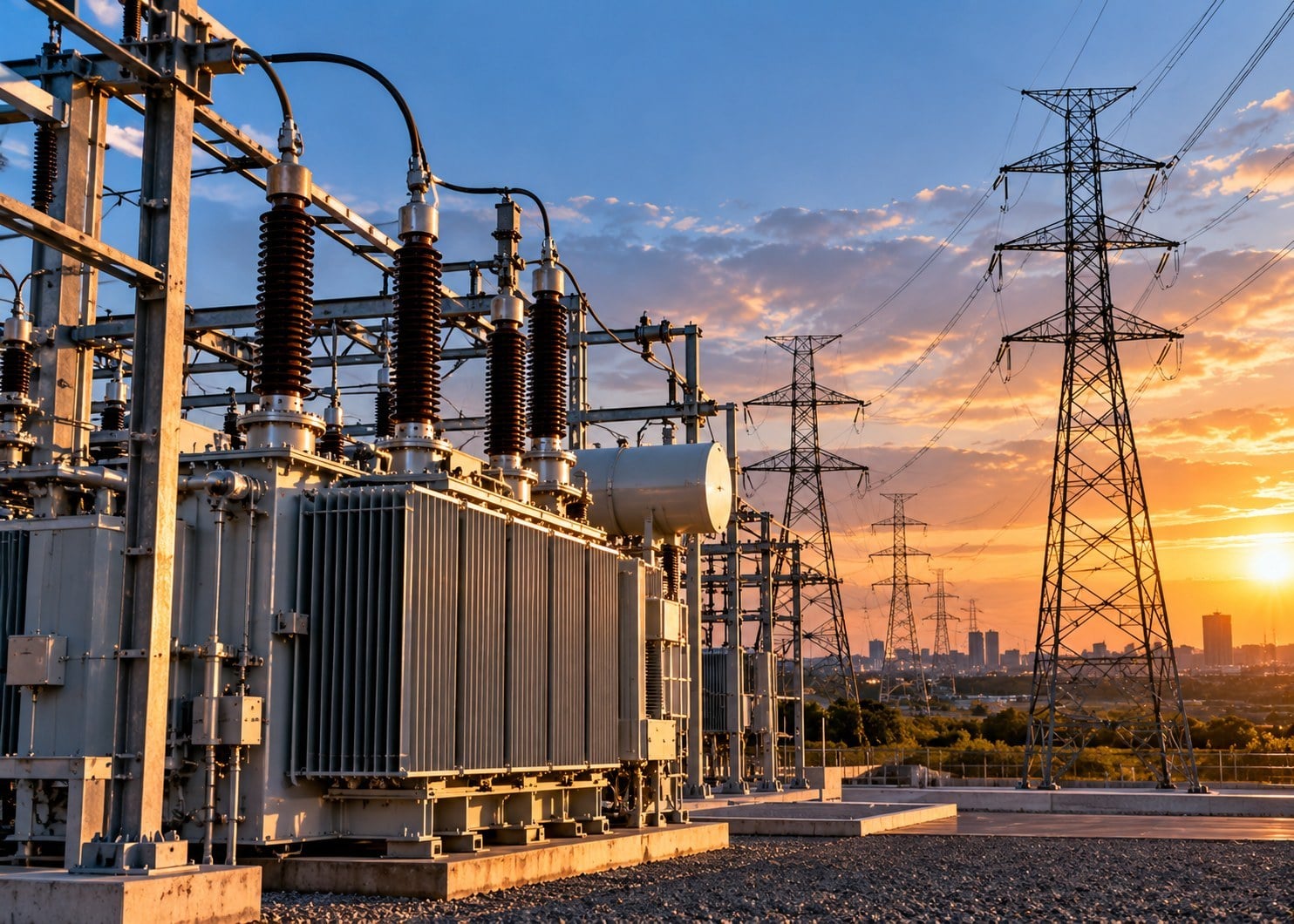
GE Vernova has agreed to acquire high-voltage grid-equipment manufacturer Trench Group from Triton Partners for $9 billion, making a major bet on rising global investment in electricity transmission infrastructure.
The transaction comes as utilities expand and modernize power grids to handle growing electricity demand from data centers, industrial electrification and new generation capacity.
Trench brings GE Vernova additional manufacturing capacity in North America, Europe and Asia as well as approximately $5 billion of backlog and framework agreements.
A recently opened Trench facility in Charlotte, North Carolina, is expected to begin producing 765-kilovolt equipment in late 2027.
GE Vernova expects Trench to generate approximately $1.9 billion of revenue in 2028 with an adjusted EBITDA margin of about 36%. The company is targeting $50 million to $100 million in annualized cost synergies by 2030.
The acquisition is expected to be financed equally with cash and debt and close in late 2027, subject to required approvals and closing conditions.
The deal was announced alongside stronger operating results and another increase in GE Vernova’s outlook.
The company raised its 2026 revenue forecast to $46.5 billion to $47.5 billion from $45.5 billion to $46.5 billion, marking its third upward revision this year. Third-quarter revenue increased 27% from a year earlier, while adjusted EBITDA reached $1.94 billion.
Orders jumped 96% to $29.3 billion and backlog reached a record $197 billion. Power orders nearly tripled, while Electrification revenue increased 51%.
GE Vernova also doubled its authorized share-repurchase program to $20 billion, leaving approximately $10.1 billion available for future buybacks.
The figures show how rapidly electricity infrastructure is becoming another major component of the global AI investment cycle. Data centers require not only processors and computing hardware but generation, transmission equipment and reliable grid connections.
The next test is whether GE Vernova can integrate Trench while converting its enormous order backlog into profitable growth as utilities accelerate grid spending.