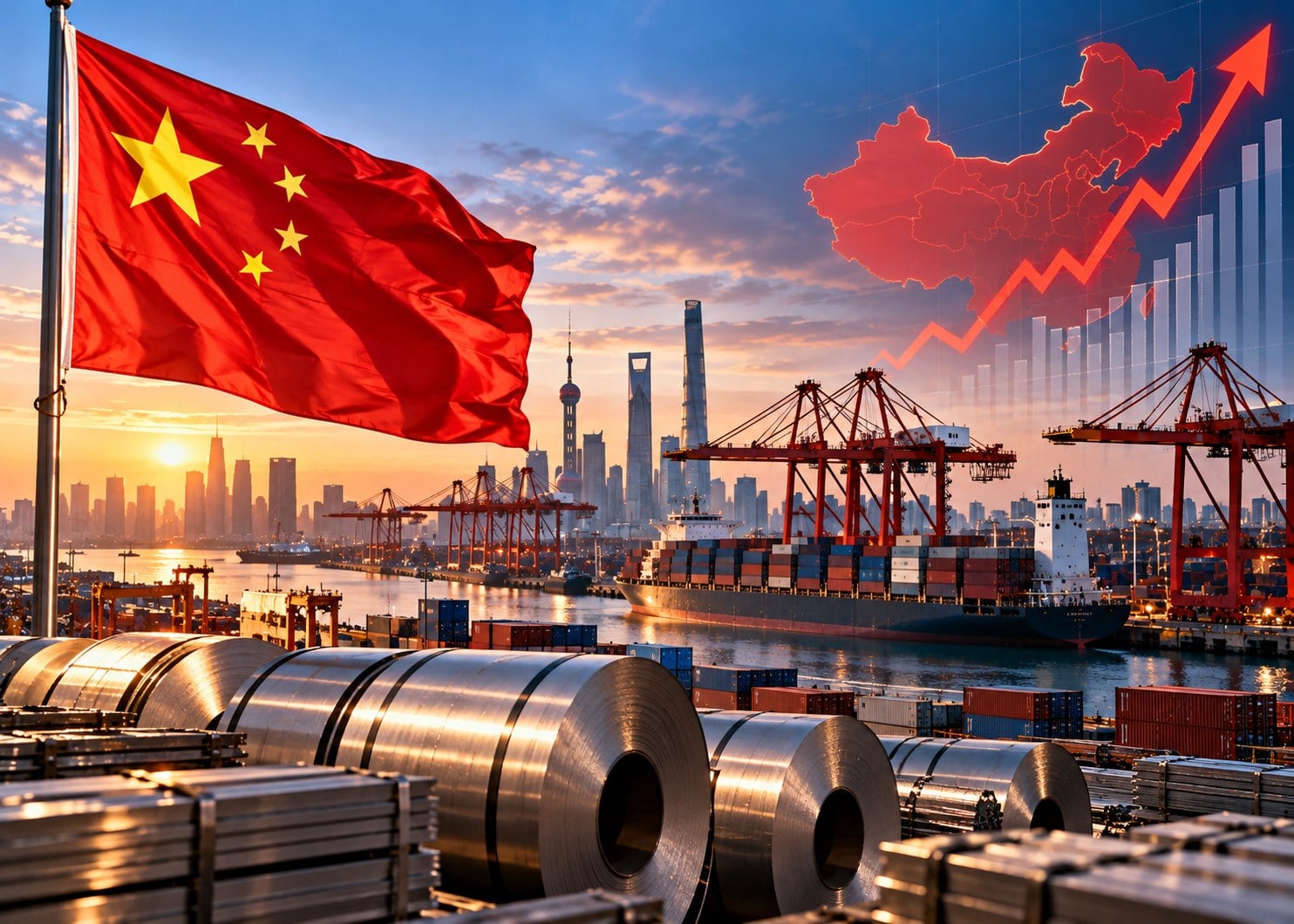
China’s factory-gate inflation accelerated sharply in September as higher commodity and energy costs pushed producer prices to their fastest annual increase in more than four years.
The Producer Price Index increased 5.0% from a year earlier and 1.2% from August, according to official data released Wednesday.
Consumer inflation remained considerably weaker.
China’s Consumer Price Index increased 0.9% from a year earlier and 0.2% from August. Core inflation, excluding food and energy, increased 1.0% annually.
The divergence presents a difficult challenge for Chinese businesses.
Manufacturers are paying more for energy and other inputs, but relatively subdued household demand limits their ability to pass all of those higher costs to customers.
That can squeeze corporate margins even as headline producer inflation accelerates.
Energy has become an important part of the shift.
Elevated global oil and commodity prices have increased costs for manufacturers and transportation networks while China’s domestic economy continues to contend with weak property activity and cautious household spending.
The development also matters outside China.
China remains the world’s largest manufacturing exporter, meaning sustained increases in factory costs could eventually affect prices paid by overseas businesses and consumers.
Whether that happens will depend partly on how much of the additional cost Chinese manufacturers absorb through lower profit margins.
For global markets, the combination of rapidly rising producer prices and comparatively weak consumer inflation illustrates the unusual pressures confronting the Chinese economy.
The next signals will come from October producer prices, retail sales and corporate profit margins, which should indicate whether September’s increase was primarily an energy-driven shock or the beginning of broader inflationary pressure.