Federal Reserve policymakers were more divided over the reasoning behind September’s interest-rate increase than the unanimous vote suggested, according to minutes released Wednesday, sharpening the debate over whether the central bank should tighten policy again this month.
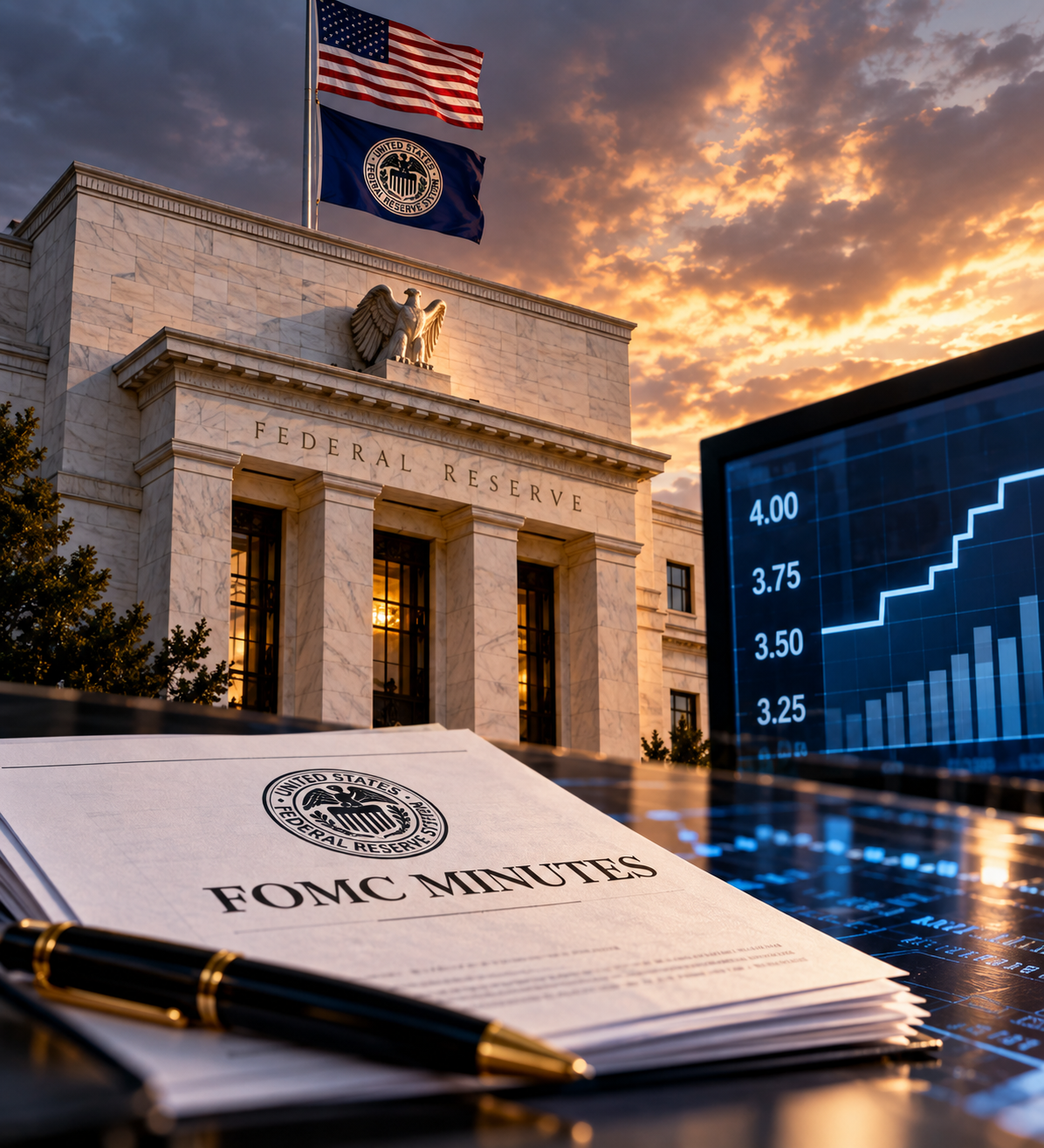
The Fed raised its benchmark rate by a quarter percentage point at its September 15–16 meeting, bringing the federal-funds target range to 3.75%–4.00%.
But the newly released minutes show officials reached that decision for significantly different reasons.
Some policymakers viewed the increase primarily as insurance against energy and other supply-related price shocks becoming embedded in broader inflation. A more hawkish group believed stronger demand presented a more fundamental inflation problem and argued that tighter monetary policy was necessary to restrain spending and investment.
That disagreement matters because economic data released since the September meeting have weakened the case for immediately following that increase with another move.
Financial markets have responded by sharply reducing expectations for an October increase. The probability of another quarter-point move at the October meeting fell to roughly 19%, compared with nearly 38% a week earlier.
Most policymakers nevertheless expect that another increase will probably be appropriate before the end of 2026.
The debate comes as financial conditions are already tightening through the bond market. Long-term Treasury yields have climbed to multi-decade highs, raising borrowing costs for businesses, consumers and the federal government even without another immediate Fed move.
That creates a difficult policy decision.
If inflation remains persistent and demand continues to run strongly, officials could conclude that additional tightening is necessary. But if elevated Treasury yields and previous rate increases are already slowing the economy, another immediate increase could prove unnecessary.
The September minutes therefore expose a more consequential division than the unanimous vote initially indicated: policymakers agreed to raise rates, but they did not fully agree on why they were doing it or how much additional tightening the economy requires.
For markets, incoming inflation and labor-market data will now be critical ahead of the Fed’s October 27–28 meeting.